For mothers, fathers, and parents who want to feel prepared, but still human
Why planning a pregnancy feels bigger than expected
Nobody really tells you this part. You think planning a pregnancy will be a neat checklist: eat better, take a vitamin, maybe download an app. Then suddenly, you’re thinking about your childhood, your job, your bank account, your sleep habits, and that one weird health thing you’ve been ignoring for years. It gets personal fast.
And honestly? That’s normal.
Planning a pregnancy sits at the intersection of biology, logistics, emotion, and hope. It’s exciting. It’s scary. Sometimes it’s both before breakfast. Whether this is your first child or you’re adding another seat to the dinner table, preparation matters, but not in a rigid, joy-killing way.
Let’s talk about how to plan with intention, realism, and a bit of grace.
1. Start with the boring stuff (because boring is powerful)
You know what? The least glamorous step is often the most helpful.
A preconception checkup gives you a baseline. Blood work, medical history, vaccinations, and a quiet review of things you may have normalised, chronic fatigue, irregular cycles, migraines, thyroid issues. This isn’t about finding problems; it’s about removing surprises.
If you’re on long-term medication, this step matters even more. Some drugs are perfectly safe in pregnancy. Others need adjustment months in advance. A healthcare provider can help you map that out without panic.
It’s not romantic, but it’s grounding. Think of it as running diagnostics before a long road trip. You could skip it, but why would you?
2. Get real about timing (and stop waiting for “perfect”)
There’s a strange myth that pregnancy should happen at the ideal moment, career stable, savings healthy, house organised, life calm. That moment exists mostly in spreadsheets.
Age does matter biologically, yes. Energy levels, recovery, and fertility change over time. But life timing matters too. Emotional readiness, relationship stability, and mental space all play a role, and they don’t follow a calendar.
Some couples plan around seasons. Others around work cycles or family support. There’s no universal formula. Here’s the mild contradiction: planning is important, and letting go of perfection is just as important. Both can coexist.
If you wait for everything to line up neatly, you might be waiting longer than you want.
3. Food, supplements, and what your body actually needs
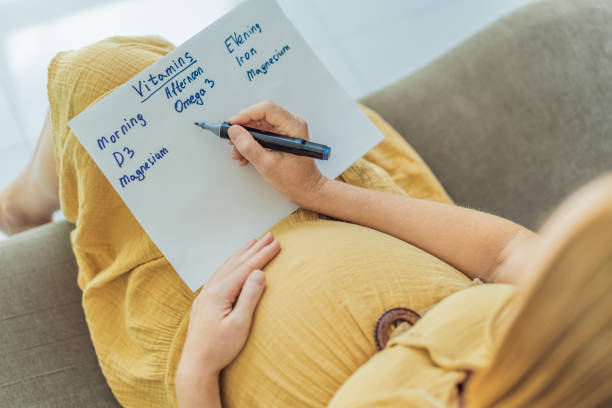
You’ve probably heard about folic acid or folate so many times that it almost fades into background noise. But it really does matter, especially before conception. It supports early neural development, often before someone even knows they’re pregnant.
Beyond that, nutrients like iron, iodine, calcium, choline, and DHA quietly support hormone balance and early fetal development. Prenatal vitamins from brands like Nature Made, Ritual, or Garden of Life are popular for a reason, but they’re not magic pills. They’re backup singers. Real food still carries the melody.
Leafy greens, eggs, lentils, fish low in mercury, dairy, and whole grains. This isn’t about eating perfectly. It’s about eating regularly and with some awareness. Honestly, consistency beats intensity every time.
And if food has been a complicated topic for you in the past, that matters too. Gentle changes last longer than drastic ones.
4. Track your cycle without turning it into a full-time job
Cycle tracking can be empowering. It can also become exhausting.
Apps like Flo, Clue, or Natural Cycles help spot patterns. Basal body temperature and cervical mucus tracking can add detail if you want it. The key phrase here is if you want it.
Some people love data. Others spiral. If tracking starts to feel like performance pressure, it’s okay to step back. Ovulation isn’t a single moment; it’s a window. Stress doesn’t help that window stay open.
Use tools as guides, not judges.
5. Clean up habits, not your personality
This is where people often go all-or-nothing. Stop everything. Change everything. Be perfect immediately.
Here’s the thing: your body responds better to steady shifts. Reducing alcohol instead of cutting it overnight. Swapping the third coffee for water. Going to bed thirty minutes earlier instead of chasing a fantasy sleep schedule.
Movement helps, too, but not as punishment. Walking, swimming, and light strength training are things that support circulation and mood. Pregnancy asks a lot of your body later. Treating it well now is a quiet investment.
You don’t need to become a different person. Just a slightly more supported one.
6. Men matter too (yes, really)
This often gets overlooked, and it shouldn’t.
Sperm health is affected by sleep, stress, alcohol, smoking, heat exposure, and nutrition. Changes made three months before conception can influence quality, because that’s how long sperm development takes.
This is shared work. Shared planning. Shared responsibility.
When both partners make adjustments together, such as meals, routines, and medical appointments, it builds a sense of teamwork that becomes invaluable once the baby arrives.
7. Emotional readiness isn’t a checkbox
You can want a baby deeply and still feel afraid. You can feel ready and still grieve the life you’re changing. These things are not opposites.
Planning a pregnancy often stirs old stuff, how you were raised, what you want to do differently, worries you didn’t expect. Talking about these things matters. With your partner. With a therapist. With someone who listens without fixing.
If you’ve experienced loss, infertility, or complicated pregnancies before, planning again may feel heavy. That weight deserves respect, not dismissal.
There’s no emotional exam you have to pass. There’s just honesty.
8. Talk about money earlier than feels polite
Money conversations have a way of sneaking up on people. Pregnancy is not the time to pretend everything will work itself out.
Look at health insurance coverage. Maternity care, ultrasounds, delivery, postpartum support, they vary wildly. Check parental leave policies. Some are generous. Some are… not.
You don’t need a perfect budget. You do need a realistic one. Diapers, childcare, time off work, it adds up faster than most expect.
These conversations can feel awkward, but they reduce stress later. And stress management? That’s part of preparation, too.
9. Your environment shapes more than you realise
This isn’t about panic-cleaning your house or throwing everything away.
It’s about small awareness shifts. Ventilating rooms when cleaning. Washing hands after handling receipts. Being mindful of pesticides or harsh chemicals. Not because fear says so, but because prevention is quieter than reaction.
Work environment matters too. Long hours, constant pressure, and lack of flexibility, these affect cycles, sleep, and mental health. You may not be able to change everything, but noticing patterns helps you advocate for yourself.
Your body isn’t separate from your surroundings. It never was.
10. Prepare for pregnancy, not just conception
A lot of planning focuses on getting pregnant, then stops there. But pregnancy itself is a marathon with unexpected terrain.
Think ahead about support. Who helps if you’re exhausted? Who listens if things feel overwhelming? Community matters more than gear.
Education helps too. Childbirth classes, prenatal yoga, books by authors like Emily Oster or Ina May Gaskin, different perspectives help you form your own.
Preparation isn’t about controlling outcomes. It’s about reducing shock.
11. Curate your information diet carefully
The internet is generous with opinions and light on nuance.
Some sources educate. Others amplify fear. Endless scrolling can make every symptom feel catastrophic. Knowing when to stop researching is a skill worth developing.
Choose a few trusted sources. Your healthcare provider. Evidence-based books. One or two well-run websites. Then permit yourself to live your life.
You are not required to know everything in advance.
12. Leave room for surprise (because biology has opinions)
You can plan carefully and still be surprised by how long it takes, by how fast it happens, by how you feel once it does.
Some people conceive quickly. Others wait longer than expected. Neither outcome says anything about worth, effort, or preparedness.
Flexibility isn’t failure. It’s resilience.
If things don’t follow the plan, you adjust. That skill, by the way, turns out to be excellent parenting practice.
Planning without pressure: a final word
Planning a pregnancy is less about control and more about care. Care for your body. Care for your relationship. Care for the future child and the people becoming their parents.
You don’t have to do everything at once. You don’t have to do everything perfectly. You just have to start where you are, with the information and support you have.
And honestly? That’s enough.
If you’re thoughtful, curious, and willing to adjust as you go, you’re already doing the work. The rest unfolds, sometimes slowly, sometimes all at once.
Either way, you’re not behind. You’re preparing.