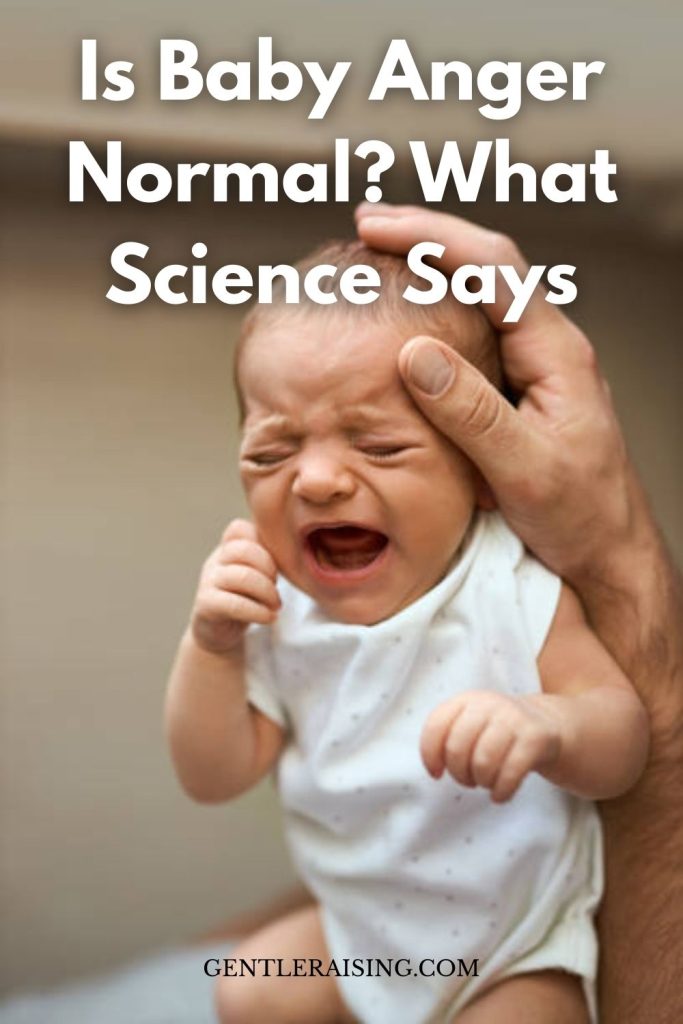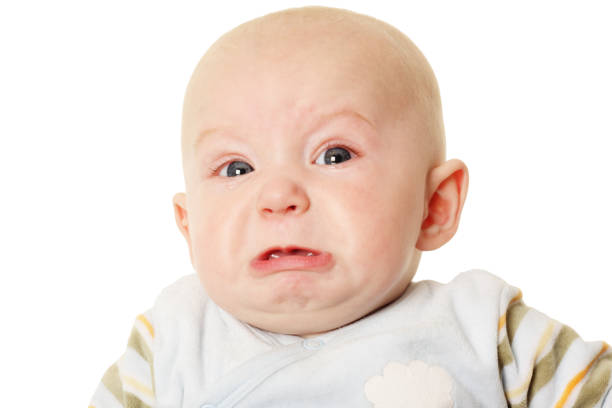
Your baby is red-faced. Their tiny fists are clenched. There’s a sound coming out of them that feels… intense. Not just crying. Something sharper. Something almost furious.
And suddenly you’re thinking, Wait, can babies get angry?
Short answer? Yes.
Long answer? It’s complicated, fascinating, and honestly a lot less scary once you understand what’s really going on.
If you’re a new parent, or even a seasoned one, a baby’s anger can feel unsettling. It feels personal. It can make you question your instincts. And on hard days, it can feel like you’re doing something wrong. You’re not.
Let me explain.
First Things First: Is This Actually Anger?
Here’s the thing: Babies don’t experience anger the way adults do. There’s no resentment, no grudge-holding, no inner monologue about how unfair life is. Their emotional system is still under construction.
What looks like anger is often frustration mixed with unmet needs.
Think of it like this: imagine being stuck in traffic, starving, exhausted, and unable to speak. Now remove your ability to regulate emotions. That’s pretty close to a baby’s daily experience.
So yes, babies feel something that resembles anger, but it’s raw, immediate, and short-lived.
What Baby Anger Actually Looks Like (It Changes With Age)
Anger doesn’t show up the same way at every stage. It evolves as your baby grows.
Newborns (0–3 months)
Not true anger yet. Mostly distress. Crying escalates quickly because self-soothing isn’t online.
Infants (4–8 months)
This is where frustration appears. You’ll see stiffening, arching, louder cries, maybe a dramatic head turn.
Older babies (9–12 months)
Now it’s unmistakable. Protesting. Yelling. Throwing toys. The emotions are clearer and stronger.
Toddlers (12+ months)
Anger becomes more targeted. They know what they want. They really want it. And they’re not shy about letting you know.
A Quick Brain Science Detour (Don’t Worry, It’s Simple)
A baby’s brain develops from the bottom up.
The emotional centre (limbic system) is active early.
The rational control centre (prefrontal cortex)? Years away from maturity.
That means babies feel emotions before they can manage them.
So when anger hits, there’s no internal “calm down” button yet. That’s why your presence matters so much.
The Triggers Parents Often Miss
Some triggers are obvious: hunger, tiredness, and discomfort. Others are sneakier.
• Sudden transitions
• Too much noise
• Bright lights
• New faces
• Being put down when they want contact
• Being held when they want freedom
Honestly, babies can get overwhelmed by a grocery store aisle. And that’s not dramatic, that’s biology.
The Big Three: Hunger, Sleep, Sensory Overload
If there’s one pattern parents notice again and again, it’s this:
A hungry baby gets angry fast.
Blood sugar dips, and tolerance disappears.
An overtired baby can’t cope.
Sleep deprivation amplifies emotional reactions—same as adults.
Too much stimulation equals meltdown.
Babies don’t filter input well. Their brains absorb everything.
You know what? Half of “behaviour problems” disappear with a snack and a nap.
Temperament Matters More Than You Think
Some babies are easygoing. Others feel everything deeply.
This isn’t a parenting failure, it’s temperament.
You might hear phrases like:
“She’s strong-willed.”
“He’s intense.”
What that often means is the baby has a highly reactive nervous system. They feel discomfort faster and express it louder.
These babies grow into passionate, perceptive children. But early on? They can be exhausting.
Attachment: The Quiet Regulator
Here’s something reassuring: Responding to an angry baby doesn’t reinforce anger.
It teaches safety.
When babies learn that someone comes when emotions feel overwhelming, their nervous system settles faster over time. That’s not indulgence. That’s wiring the brain for resilience.
Ironically, consistent comfort leads to less anger later.
What Not To Do (Even Though You’ll Be Tempted)
Let’s be real. When your baby is screaming, patience evaporates.
Still, a few reactions tend to make things worse:
• Shushing aggressively
• Ignoring prolonged distress
• Passing the baby around when overstimulated
• Forcing distraction mid-meltdown
None of this makes you a bad parent. It just doesn’t work long-term.
What Actually Helps in the Moment
You don’t need fancy techniques. You need predictability and calm energy.
• Lower stimulation
• Hold securely (not rigidly)
• Speak softly, even narrate what’s happening
• Rock, sway, or walk
Your nervous system becomes their borrowed calm.
That’s regulation, not spoiling.
Crying vs Anger: There Is a Difference
Crying is a signal.
Anger is a reaction to blocked needs.
Crying tends to build gradually.
Anger flares quickly.
Learning the difference takes time. And you’ll still misread it sometimes. Everyone does.
“If I Respond Too Fast, Will I Create a Demanding Baby?”
This myth refuses to die.
Responding quickly to infants doesn’t make them manipulative. They don’t have that skill set. It builds trust.
Later, once communication develops, boundaries start to matter. But infancy is about safety, not independence training.
Anger Is Information, Not Bad Behaviour
This is the mindset shift that changes everything.
Your baby isn’t “being difficult.”
They’re having difficulty.
Anger points to something unmet. Once you see it that way, your response naturally softens.
As Babies Grow, Anger Gets Louder (Before It Gets Better)
After around one year, frustration spikes.
Why?
Because desire outpaces ability.
They want autonomy but lack skills. That mismatch fuels anger. It’s temporary and necessary.
The Parents’ Emotional State Matters More Than You Think
Babies read tone before words.
If you’re tense, they feel it.
If you’re regulated, they borrow it.
That doesn’t mean you must be calm all the time. It means repairing moments of stress matters more than avoiding them.
Cultural Messages Can Make This Harder
Some cultures praise quiet babies. Others praise toughness.
But babies don’t fit ideals. They fit biology.
An expressive baby isn’t broken. A calm baby isn’t superior. They’re just different.
Practical Techniques Parents Actually Use
These aren’t a textbook. They’re real-life.
• White noise apps
• Baby carriers for contact naps
• Predictable routines
• Early bedtime during growth spurts
• Fewer outings on hard days
Sometimes the solution is less, not more.
Long-Term: What Anger Teaches Your Child
Handled with care, early anger teaches:
• Emotional awareness
• Trust in caregivers
• Healthy expression
• Resilience
Avoided or punished, it teaches suppression.
And suppressed emotions don’t disappear. They resurface later, louder.
When To Pause and Ask for Help
Most baby anger is normal.
But consider professional input if:
• Rage-like episodes are constant
• Sleep is severely disrupted
• Feeding struggles persist
• You feel overwhelmed or numb
Supporting your baby starts with helping you.
A Final Word for Tired Parents
If your baby gets angry easily, you’re not failing.
You’re raising a human with a nervous system, learning how to exist. That’s messy. Loud. Emotional.
And temporary.
One day, this same child will use words instead of screams. They’ll regulate. They’ll cope.
For now, your calm presence is enough, even on days it doesn’t feel like it.
Honestly? Especially on those days.