You’re holding your baby. They’re fed, clean, warm. Life feels momentarily stable.
Then it happens.
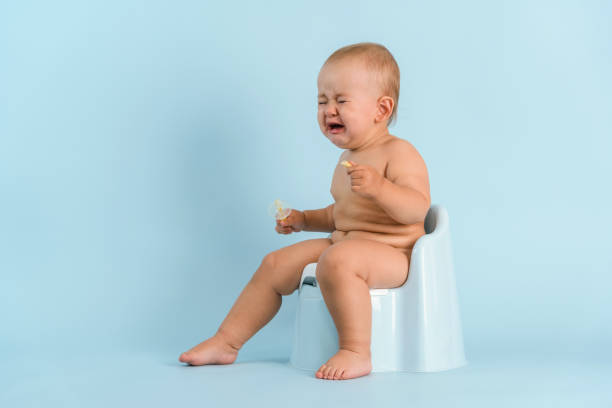
Their face turns red. Legs stiffen. Tiny fists clench. And suddenly, crying. Sometimes loud. Sometimes sharp. Sometimes the kind that makes your chest tighten because, honestly, you don’t know what you’re missing.
And then… poop.
If you’ve ever thought, Why does pooping seem like a full-body emotional experience for my baby? You’re not alone. New parents ask this all the time. Quietly. Loudly. At 2 a.m., while googling with one eye open.
Here’s the thing: crying while pooping is incredibly common in babies, especially in the first few months. And most of the time, it’s not a sign that anything is wrong.
Let me explain.
Pooping Is Not a Simple Skill (Especially When You’re New to Having a Body)
Adults make pooping look effortless. Babies? Not so much.
For a newborn or young infant, pooping is a complex coordination task. It’s like trying to pat your head, rub your stomach, and whistle, without knowing what your hands or mouth are for yet.
To poop comfortably, a baby needs to:
- Relax the pelvic floor
- Coordinate abdominal pressure
- Push while simultaneously letting go
That “letting go” part? That’s the hard one.
Babies are born with reflexes, not refined motor control. They often tighten everything when they push. Face muscles. Belly. Butt. All of it.
So instead of a smooth release, they strain. They grunt. They cry. Not always because it hurts—but because it’s intense, unfamiliar, and honestly a bit overwhelming.
You know what? Even adults sometimes groan in the bathroom. We just don’t talk about it.
Crying vs Straining: There Is a Difference (But It’s Subtle)
This is where parents get confused, and understandably so.
A baby might:
- Cry briefly before pooping
- Strain, turn red, then relax
- Cry loudly, but stop once the poop passes
All of that can be normal.
Crying during pooping doesn’t automatically mean constipation or pain. Often, it’s frustration. Think of it like trying to sneeze but not quite getting there. That tension builds.
What matters more than the crying is:
- Stool consistency (soft vs hard)
- Frequency (regular for your baby, not someone else’s)
- Behaviour afterwards (do they settle?)
If the poop is soft and your baby calms down after, you’re likely dealing with a coordination issue—not a medical one.
The Gastrocolic Reflex: A Fancy Term for “My Belly Is Doing a Thing”
Here’s a bit of biology, but I’ll keep it real.
Babies have a strong gastrocolic reflex. That means when milk enters the stomach, it triggers movement in the intestines. Basically, feeding time often leads to pooping time.
Sounds efficient, right? Except that the sensation can feel strange. Pressure builds quickly. Muscles activate. Babies don’t have context for it yet.
So they cry.
Not because something is wrong, but because their body is sending loud signals and they don’t have words for, “Whoa, what is happening in my butt right now?”
Gas: The Uninvited Guest That Makes Everything Louder
Gas deserves its own mention because it complicates everything.
Babies swallow air when they feed, cry, or even breathe enthusiastically. Their digestive system is still learning how to move that air along.
When gas mixes with poop, things get uncomfortable. Pressure increases. Sensations intensify. Cue crying.
Gas-related crying often comes with:
- Pulling legs up
- Squirming
- Sudden cries that stop and start
And once the gas or stool passes? Relief. Sometimes instant. Sometimes dramatic.
Breastfed vs Formula-Fed Babies: Yes, There Are Differences
This part matters, especially if you’re comparing your baby to someone else’s.
Breastfed babies often have:
- Softer stools
- More frequent poops (or sometimes fewer, yes, both can be normal)
- Less true constipation
But they can still cry while pooping because coordination issues don’t care about diet.
Formula-fed babies may have:
- Thicker stools
- More gas
- Slightly firmer bowel movements
This doesn’t mean the formula is bad. It just means digestion feels different, and some babies take longer to adjust.
Switching formulas too often, though, can actually make crying worse. Digestion likes consistency, even when it’s imperfect.
Let’s Talk About Infant Dyschezia (The Name Sounds Scarier Than It Is)
If your baby is under six months old, cries for several minutes before pooping, then passes a soft stool—this might be infant dyschezia.
The name is dramatic. The condition is not.
It simply means your baby hasn’t figured out how to coordinate pushing and relaxing yet. There’s no blockage. No disease. No long-term issue.
And here’s the key part: it resolves on its own.
No medicine required. No rectal stimulation. No “fixing” needed. Just time.
Honestly, this is one of those moments where doing less is doing more.
When Crying Might Be a Red Flag (Not Often, But Sometimes)
Most of the time, crying while pooping is harmless. But there are moments when it’s worth paying closer attention.
Call your paediatrician if you notice:
- Hard, pellet-like stools
- Blood in the stool (not just a tiny streak from irritation)
- A swollen, hard belly
- Poor feeding or weight gain
- Constant distress, even after pooping
These can point to constipation, milk protein sensitivity, or other digestive issues that deserve a closer look.
Trust your instincts. You know your baby’s “normal” better than anyone.
Common Myths Parents Still Hear (And Why They Stick Around)
Let’s clear a few things up, gently.
“My baby cries, so they must be constipated.”
Not necessarily. Soft stool + crying often equals coordination, not constipation.
“They need help pooping.”
Frequent stimulation can actually delay learning. Babies need space to figure this out.
“A baby should poop every day.”
Some do. Some don’t. Especially breastfed babies. Frequency varies wildly.
Parenting advice spreads fast, especially online. But babies didn’t read those rules.
What You Can Do (Without Overdoing It)
You don’t need fancy gadgets or constant interventions. Small, supportive actions help most.
Try:
- Gentle bicycle legs during calm moments
- Warm baths to relax muscles
- Tummy time (it helps digestion, too)
- Holding the baby in a squat-like position during fussiness
Avoid:
- Frequent rectal stimulation
- Switching feeding routines too often
- Assuming every cry needs a fix
Sometimes, presence matters more than problem-solving.
The Emotional Side No One Mentions Enough
Watching your baby cry while doing something so basic can take a toll on your emotions.
You might think:
- Am I feeding them wrong?
- Am I missing something serious?
- Why does this feel so hard already?
Here’s the quiet truth: early parenting is full of moments that look alarming but aren’t dangerous. Your nervous system is learning alongside your baby’s digestive system.
That doesn’t mean you’re overreacting. It means you care.
And caring parents worry, even about poop.
A Gentle Reminder (Because You Might Need One)
Your baby isn’t broken.
Their body isn’t failing.
And you’re not doing anything wrong.
Crying while pooping is usually a phase, a loud, dramatic, short-lived phase. It passes as muscles mature and coordination improves.
One day, sooner than you expect, you’ll realise it hasn’t happened in a while. No announcement. No ceremony. Just quiet progress.
Until then, breathe. Hold your baby. Trust the process.
You’re doing better than you think.