If you’re here reading this, there’s a good chance you’re holding a squishy baby who somehow manages to produce more diaper changes than should be humanly possible. Or you’re prepping ahead because everyone keeps warning you about “diaper rash season,” as if it’s some storm rolling in from the coast.
Either way, choosing a natural diaper cream shouldn’t feel like an exam. Yet somehow, between ingredients you can’t pronounce and dozens of “clean” labels, you end up second-guessing everything.
And that’s where this guide steps in. Think of it like chatting with a friend who has one hand on a cup of tea and the other flipping the lid on their favourite diaper cream while explaining why some formulas work wonders and others feel like putting lotion on a water slide.
Let’s get into it, casually, carefully, and with the honesty every new parent deserves.
What “Natural” Actually Means (And Why It Matters Anyway)
Here’s the thing: “natural” can mean a hundred different things depending on who’s printing the label. Some brands use the term simply because they swapped one ingredient for something plant-based. Others follow stricter guidelines—mineral-based, plant-derived, no synthetic fragrances, and no questionable preservatives.
A little contradiction? Natural doesn’t always equal gentler. And synthetic doesn’t automatically mean harmful. But with baby skin, especially those soft diaper folds, the simpler the formula, the fewer surprises you’ll deal with later.
You know what’s funny? Once you start checking ingredients in diaper creams, you suddenly start checking everything else, baby shampoos, lotions, even the laundry soap you swore was gentle enough.
It happens to every new parent. And it’s fine. But don’t let it overwhelm you. The goal isn’t perfection; it’s awareness.
Why Diaper Rashes Happen (Even When You’re Doing Everything Right)
Honestly, diaper rashes are elusive little troublemakers. Sometimes it’s moisture. Sometimes it’s friction. Sometimes it’s a new food (hello, strawberries). And sometimes absolutely nothing changed, yet suddenly there’s a stubborn red patch making your baby wiggle like a worm on a hot pan.
A few big culprits:
- Moisture — even the best diapers can’t block everything.
- Acidic poop — especially during teething.
- New foods — the digestive system is sensitive.
- Too much wiping — that gentle rub isn’t always gentle enough.
There’s a mildly amusing contradiction here: moisture helps keep skin soft, but moisture also irritates skin when trapped under a diaper. Go figure. And that’s why barrier creams matter so much; they keep the skin from giving in under all that dampness.
Ingredients That Actually Make a Difference
Let me explain something quickly: the most effective natural diaper creams don’t try to do everything. They focus on protecting, soothing, and helping skin recover. Three jobs. That’s it.
Here are the ingredients that consistently prove themselves:
Zinc Oxide
A rock-solid classic. It forms a protective layer on the skin so moisture doesn’t rub and irritate. Concentrations vary, 10% for everyday use, 20–40% for tougher rashes. And despite being a mineral, it stays remarkably gentle.
Shea Butter
Thick, buttery, and nourishing. It melts on warm skin, and babies seem to appreciate that soft finish. Also helps with dry patches outside the diaper area.
Calendula
A quiet hero. This little plant shows up in soothing balms for a reason—it’s calming, gentle, and surprisingly effective on cranky skin.
Coconut Oil
Parents love it. Babies love it. The only caution: it’s not the best with yeast rashes, but it’s great for mild irritation or dryness.
Beeswax
Helps create a breathable barrier without feeling heavy. Naturally water-resistant.
Aloe
Cooling and calming. But you want it pure; mixed versions sometimes cause more irritation than they solve.
On a side note, while we’re talking barriers, it’s interesting how skincare uses the same logic: protect, hydrate, soothe, even though adults don’t deal with diapers (well… mostly).
Ingredients You Might Want to Skip
There’s no need to memorise a whole dictionary of chemicals, but these few are worth watching out for:
- Artificial fragrances — the biggest culprit behind irritated baby skin.
- Strong preservatives like parabens or formaldehyde donors — too harsh for tiny bottoms.
- Essential oils — some are safe, but many are too strong for newborns.
- Mineral oil — not harmful in the big picture, but less breathable and tends to trap heat.
And really, if a cream smells like a perfume shop, that’s a red flag. Babies don’t need to smell like flowers—they smell perfectly lovely all on their own.
How to Choose a Natural Diaper Cream Without Stressing About It
Choosing a diaper cream shouldn’t send you spiralling into a Google hole. Here’s the simple way to make a choice:
- If your baby has sensitive skin, stick to zinc oxide + a couple of gentle moisturisers.
- If your baby gets occasional redness, you can go lighter—like shea butter + coconut oil.
- If you use cloth diapers, avoid anything too waxy or oily unless it’s specifically listed as cloth-safe.
- And if you hate sticky hands (relatable), go for a squeeze tube.
Not to mention, some creams get stuck under your nails and will haunt you all day. Tubes save you from that.
The Best Natural Diaper Creams Right Now
1. Earth Mama Organic Diaper Balm
This one almost feels like a cult favourite among natural-leaning parents, and honestly, it earns it. Smooth texture, herbal smell that isn’t too intense, and no zinc oxide, making it a great lightweight option.
Why parents love it:
- Doesn’t cake up
- Cloth-diaper safe
- A little goes a long way
A tiny note: If your baby has an intense rash, the zinc-free formula may not be enough on its own.
2. Boudreaux’s Butt Paste (Natural Version)
The name makes everyone snicker at least once, but the formula is dependable. The “natural” version uses plant-based oils, aloe, and 16% zinc oxide, striking a nice balance between gentle and effective.
What’s great:
- Works fast
- Thick but spreadable
- Mild scent
Minor con: The tube is on the firmer side; you’ll need two hands to squeeze it.
3. Weleda Calendula Diaper Care Cream
Weleda always knows how to blend plant-based ingredients that feel luxurious. This one uses zinc oxide plus calendula, giving it a creamy, soothing feel.
Why it stands out:
- Smells soft and calming
- Very protective
- Ideal for mild–moderate rashes
Watch for: A slightly thicker texture that takes a moment to rub in.
4. Honest Company Diaper Rash Cream
This one leans clean and predictable, no surprises in the ingredient list. With 14% zinc oxide, it’s great for daily use.
Pros:
- Easily found in most stores
- Gentle and straightforward
- Good price point
Cons:
- Can feel a bit oily on hot days
5. Badger Baby Balm
Here’s your minimalist formula: beeswax, chamomile, olive oil. That’s it. Perfect for dry skin and everyday prevention.
Why people buy it:
- Extremely clean formula
- Great for sensitive skin
- Softens skin beautifully
But: Not strong enough for heavy rashes.
6. GroVia Magic Stick (Cloth-Diaper Safe)
Parents who cloth diaper swear by this. The twist-up tube keeps your hands clean, which honestly feels like magic.
Benefits:
- Zero mess
- Light but effective
- Perfect for everyday use
Note: Not thick enough for severe irritation.
7. Burt’s Bees Baby Diaper Rash Ointment
A classic. Very gentle, and babies seem to tolerate it well. Contains shea butter and zinc oxide.
Pros:
- Affordable
- Rich and protective
- Works well for mild irritation
Con: The texture can feel slightly grainy in colder rooms.
8. Desitin Daily Defence (Plant-Based Version)
Not every Desitin product is natural, but their gentler version really is. It uses zinc oxide and botanical moisturisers.
Why it’s worth trying:
- Super affordable
- Widely available
- Good for moderate rashes
Small drawback: Slightly thicker scent than other natural creams.
Which One Should You Pick? (Quick Recommendations)
- Best overall: Earth Mama Organic Diaper Balm
- Best for sensitive skin: Badger Baby Balm
- Best for moderate rashes: Weleda Calendula
- Best for stubborn rashes: Boudreaux’s Natural
- Best budget option: Burt’s Bees
- Best cloth-diaper safe: GroVia Magic Stick
- Best for parents who hate messy hands: GroVia Magic Stick
- Best everyday formula: Honest Company
How to Use Diaper Cream So It Actually Helps
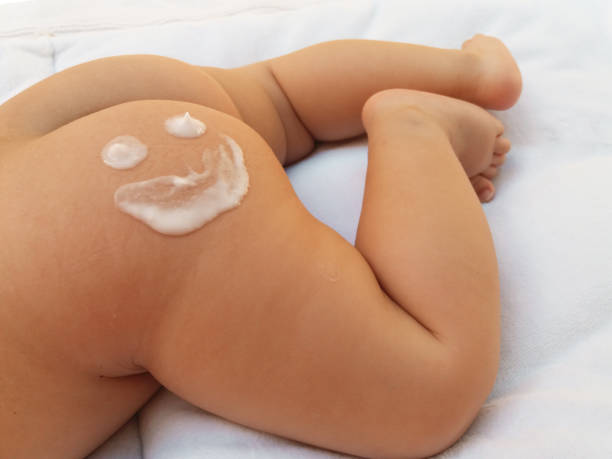
You’d think applying diaper cream is self-explanatory, but there are a few tricks that genuinely improve results.
- Make sure skin is dry first — moisture under cream = no improvement.
- Use a thin but visible layer — don’t skimp, but don’t ice-frost the baby either.
- Give it 10–20 seconds before closing the diaper, which helps it stay in place.
- Switch formulations if nothing changes in 2–3 days.
- Avoid rubbing off every speck during changes; some residue is helpful.
A friend once told me diaper creams should be treated like frosting: smooth, even, and not too thick. Odd analogy, but parents understand.
Small Sidebar: When a Rash Isn’t a Rash
Sometimes you’ll see a rash that spreads in little red dots, or doesn’t respond to zinc oxide at all. That’s usually a yeast rash, which needs a different approach; milder creams won’t touch it. You may need a paediatrician-approved antifungal treatment. Nothing scary; just something to keep in mind.
Another common issue is allergic reactions to wipes or detergents. If the rash looks more like a sudden flare-up all over the diaper area, switching wipes may help.
And if something seems off? Call yopaediatriciannian. A quick call usually saves parents a lot of worry.
Final Thoughts: You’re Doing Better Than You Think
Choosing diaper creams might feel surprisingly emotional. You want to keep your baby comfortable. You want to avoid anything harsh. You want to feel like you’re doing the “right” thing.
Here’s the truth:y ou already are.
Natural diaper creams make things simpler, but they’re not a magic spell. What matters more is noticing your baby’s skin, adjusting as needed, and finding a formula that keeps irritation away most of the time. It’s a learning curve, and everyone fumbles through it. Every parent has that moment where they wonder, “Why is this rash still here?” You’re not alone.
So take a breath. Pick a cream that feels right. Try a different one later if needed. Your baby won’t remember any of this—except maybe feeling loved and comforted when you swoop in with the gentle stuff.
You’ve got this. Really.