If you’ve ever opened a diaper and felt that sudden jolt in your chest, followed by the dreaded “Oh no… not again”, you’re not alone. Every parent, from first-timers to seasoned “baby-wranglers,” has met the bright-red villain known as diaper rash.
It always seems to appear at the worst moments too: during a growth spurt, in the middle of teething, or on that exact day when you thought you finally had a rhythm going.
You know what? You’re doing great. And yes, there are natural ways to soothe that irritated skin without turning your bathroom cabinet into a pharmacy aisle.
Let’s walk through the gentle, realistic, parent-tested (and baby-approved) methods for treating diaper rash using natural approaches, no guesswork, no stress, and no overly complicated jargon. Well, maybe a dash of it, because even pediatric nurses end up using fancy terms sometimes.
What Diaper Rash Really Is (In Plain Parent Language)
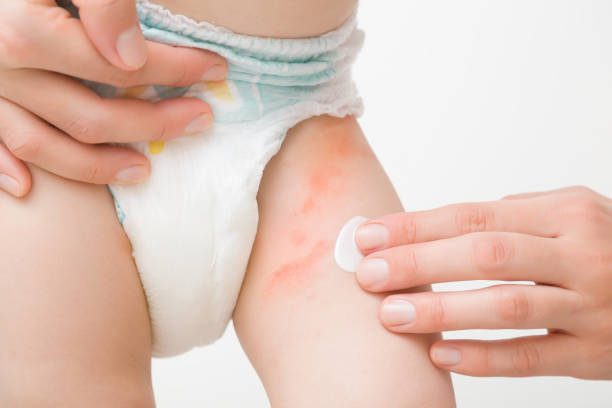
At its core, diaper rash is irritation of the skin covered by a diaper, usually the bum, groin, creases, or lower belly. It can look pink, blotchy, angry red, or even a little shiny.
But here’s the thing, most parents don’t realise: diaper rash isn’t one single condition. It’s more like a group of annoyances that behave differently depending on the baby, the weather, the wipes you’re using, and sometimes just the week you’re having.
Common causes of diaper rash include:
- Moisture (even the “good” diapers can’t absorb everything)
- Friction
- Sensitive skin
- New foods during weaning
- Teething-related digestive changes
- Heat and humidity
- Certain disposable diaper brands
- Detergents, if you use cloth diapers
And sometimes?
Babies simply have a day when their skin acts like it’s pickier than a toddler refusing vegetables.
A small tangent, weather matters more than you think
If you live somewhere warm or humid (many parents in tropical climates notice this), rashes can flare faster. Sweat + diapers = an unhappy combo. On the flip side, colder, drier seasons can make the skin more fragile. So if you’ve ever wondered why diaper rash seems to follow the seasons like a garden plant, there’s your answer.
How Do You Know If It’s Mild or Something More?
Most diaper rashes are mild, simple, and respond beautifully to natural care. Mild rashes look like:
- Light pink areas
- Slight warmth
- A fussy reaction during wipes
- Maybe some dry spots
But if you see:
- Bright red patches that look “beefy”
- Spots or bumps around the edges
- Cracked or oozing skin
- A rash that spreads into skin folds
…you’ll want to keep an eye on it. Some of these patterns point toward yeast or bacterial irritation.
When to talk to a doctor (just to stay safe)
- Fever
- Rash lasting more than 3 days despite treatment
- White patches, pus, or blisters
- Extreme fussiness or pain
- Rash is connected to diarrhoea that lasts several days
This isn’t here to worry you, just gentle guidance. Most natural remedies work wonders when the rash is mild.
Natural Remedies That Truly Help (Backed by Parents Everywhere)
Here’s the thing about natural care: it works best when you understand not just what to use, but why. Let me explain each option, plus a few notes that parents often learn the hard way.
1. Breast Milk: The Quiet Superhero
If you’re breastfeeding, you already have one of the most soothing natural remedies at home. Breast milk contains antibodies and calming compounds that help irritated skin settle.
How to use breast milk for diaper rash
- Hand-express a few drops
- Pat a thin layer over the rash
- Let it air-dry completely before putting on a new diaper
Some parents swear the results show up within hours. Others say it helps mainly with early redness. Either way, it’s gentle, free, and incredibly convenient.
A quick note: if the rash looks fungal (bright red with spots), skip breast milk; it may not help as much in those cases.
2. Coconut Oil: The Silky Barrier Every Parent Talks About
Cold-pressed, unrefined coconut oil is the darling of natural skincare, and for good reason. It’s smooth, fragrant in a comforting way, and creates a gentle barrier against moisture.
Why coconut oil works
- Light antibacterial properties
- Moisturisers without feeling sticky
- Doesn’t clog pores
How to apply
Just warm a tiny scoop between your fingers and smooth it over clean, dry skin. It’s also great for preventing rashes if your baby’s skin gets irritated easily.
But here’s a tiny contradiction: coconut oil is wonderful, but it’s not always enough if the skin is already very inflamed. That’s where thicker butters come in.
3. Oatmeal Baths: Soft Relief in a Tub
If you’ve ever used Aveeno’s oatmeal bath packets when your own skin felt cranky, you know how soothing they are. Oatmeal has natural anti-inflammatory benefits and creates a milky bath that coats the skin.
How to prepare an oatmeal bath
You can use:
- Store-bought colloidal oatmeal packets
- Or blend plain rolled oats into a fine powder until they dissolve in water
Let your baby soak for 10–15 minutes. Keep it relaxing, lukewarm water only.
This method is especially helpful when the rash spreads beyond the diaper area or your baby refuses to touch due to discomfort.
4. Pure Aloe Vera Gel: Cooling and Calm
Pure aloe (not the green-dyed, perfumed gel from drugstores) can bring instant relief. If you have an aloe plant at home, that’s ideal; if not, look for gels labelledd 99% pure without fragrances.
Aloe feels cool and gives quick comfort, which is lovely when the skin is warm to the touch.
A small warning: babies with sensitive skin should have a spot test first. Aloe reactions are rare, but they happen.
5. Calendula: The Gentle Flower Ointment
Calendula is a golden-orange flower used in natural baby creams and European herbal balms. Brands like Weleda Baby and Earth Mama use calendula because it helps soothe inflamed skin.
It’s great for:
- Mild rashes
- Dry, cracked spots
- Recovering skin
If your baby’s skin is easily irritated by commercial diaper creams, calendula may become your new best friend.
6. Shea Butter: The Thick Protector (But Choose Pure Shea)
Shea butter from Ghana or West Africa is especially rich and buttery. When unrefined and pure, it melts beautifully on warm skin and forms a protective shield that lasts longer than oils.
Parents like it because:
- It’s natural
- Imoisturiseses deeply
- It stays put
Just avoid shea that’s mixed with fragrance or additives, it defeats the purpose.
7. Warm Water Cleansing Instead of Wipes
Even the gentlest wipes sometimes irritate, especially if they contain essential oils or “natural” fragrances.
Try this instead:
- Use warm water + cotton pads or a soft washcloth
- Pat dry thoroughly
- Use wipes only when travelling or for messy diapers
This alone can reduce diaper rash significantly for several families.
8. Diaper-Free Time: The Oldest Remedy in the Book
It sounds messy, and sometimes it is, but nothing heals like exposure to air. A few minutes here and there make a big difference.
Ideas to make it practical:
- Lay a towel on the floor after meals
- Use a waterproof mat with a light cloth on top
- Let them crawl or kick freely
Air is nature’s best drying agent.
What NOT to Use (Even If Family Members Swear It Works)
Here’s where things can get tricky. Sometimes, natural remedies that worked for elders don’t fit babies today.
Avoid these:
• Talcum powder or perfumed powders
These can irritate the lungs and worsen rashes.
• Baking soda directly on the skin
In baths, it’s okay, but not as a paste.
• Vinegar mixtures
Too harsh for delicate skin.
• Essential oils (undiluted)
Lavender and chamomile sound lovely, but oils can burn when placed on broken or irritated skin.
• Cornstarch for a fungal rash
It can feed yeast, making the rash worse.
And here’s that earlier contradiction explained: natural doesn’t always mean gentle, but the right natural options can be incredibly soothing. It’s all about matching the right remedy to the right situation.
Which Remedy Matches Your Baby’s Skin?
Babies have personalities, and honestly, their skin does too. Some respond well to oils, some to butters, and some need nothing more than water and patience.
Here’s a simple guide:
If the rash is mild pink:
Breast milk or coconut oil
If the skin looks dry and irritated:
Shea butter or calendula cream
If the baby cries when wiped:
Oatmeal bath + aloe gel
If the rash keeps returning during hot seasons:
Diaper-free time + warm water cleansing
If you use cloth diapers:
Check your detergent; switch to fragrance-free, sensitive formulas
Season also matters. During rainy or humid months, skin folds stay damp longer. During dusty or windy seasons, skin dries more. Adjust remedies accordingly; parents with multiple kids often do this without realising it.
How to Prevent Diaper Rash Naturally (Because Routine Saves You Later)
Natural treatment works great, but prevention feels like a small miracle when you find a routine that clicks.
Practical prevention tips
- Change diapers frequently
- Let the skin dry fully before putting on a new diaper
- Use fragrance-free wipes or warm water
- Apply a light moisture barrier even when there’s no rash
- Avoid tight diapers or plastic-backed styles
- Rinse cloth diapers thoroughly to remove detergent residue
- Keep baths lukewarm and brief
Wipes: A small but important detail
Brands like WaterWipes, Huggies Pure Water, or Pampers Harmonie (depending on your region) tend to be gentler. Homemade wipes made with water and a soft cloth work well too, but only if kept fresh and stored properly.
Nutrition and diaper rash, yes, they’re connected..
New foods can change stool acidity. Citrus, tomatoes, and sometimes strawberries cause temporary flare-ups. Teething also changes stool texture; parents often notice this before they even see a tooth pop through.
Troubleshooting a Stubborn Rash
Sometimes a rash lingers even with excellent care. This could mean:
- Yeast involvement
- Contact sensitivity
- A diaper brand that doesn’t suit your baby
- Reaction to detergents
When it might be yeast
- Bright red
- Shiny
- Has “satellite” dots around it
- Affects skin folds
Natural methods help, but yeast is persistent. It’s okay to talk to a doctor for guidance; they might recommend a mild antifungal cream. You’re not “giving up on natural care”; you’re doing the smart thing.
A Quick GentleRaising-Style Checklist
(Because parents need easy wins)
- Clean with warm water
- Pat dry gently
- Add a natural barrier (coconut oil, shea, or calendula)
- Give short diaper-free intervals
- Watch for yeast signs
- Switch wipes if irritation persists
- Adjust for hot or humid weather
- Seek medical guidance if the rash doesn’t improve in a few days
Simple steps work wonders.
Final Thoughts: You’re Doing Better Than You Think
Parenting a baby through diaper rash isn’t glamorous. It’s messy, repetitive, and sometimes frustrating. But you’re here, reading and learning, which already shows how deeply you care.
You’re not expected to be perfect. Just present. Just attentive. And honestly, that’s more than enough.
If you try one or two of these natural methods, you’ll likely see improvement quickly. And when the rash does fade, and it almost always does, you’ll feel that small wave of relief every parent knows. The kind that says, “Okay… maybe we can do this.”
And yes, you absolutely can.