Toddlers have this magical way of turning the smallest object into a whole investigation. A spoon becomes a drumstick, a cardboard box becomes a cave, and suddenly your laundry basket is a boat sailing across a stormy carpet ocean.
If you’ve ever watched your little one fit a lid onto a container or try, so seriously, to slide your phone into your shoe, then you already know that puzzles aren’t really “toys.” They’re invitations. A quiet challenge. A chance for a toddler to make sense of their growing world.
And honestly, that’s why Montessori-style puzzles hit differently. They’re simple, purposeful, hands-on, and strangely calming. They encourage little ones to think, try, repeat, fail, and try again. The best part? You can make most of them at home, using materials you already have on your counter or tucked away in that “random stuff” drawer we all pretend is organised.
So if you’ve been curious about Montessori puzzles but don’t want to spend half your grocery budget on wooden toys, or if part of you loves the idea of handmade play materials, then this guide is for you. Let’s build some puzzles your toddler will love (and that won’t leave your wallet gasping for air).
What Makes a Puzzle “Montessori-Inspired” Anyway?
Let me explain this in the most down-to-earth way possible. Montessori materials are simple, intentional, and designed to let the child learn through hands-on exploration. They’re not loud, flashing, battery-operated “learning machines.” They’re quiet objects that ask the child to figure things out independently.
A Montessori-inspired puzzle typically has:
- One clear goal
- Simple shapes and clean lines
- A natural or soft colour palette
- Real textures (wood, cork, fabric)
- Space for the toddler to self-correct
Think about it, if a puzzle has flashing music and lights cheering your child on, the toddler isn’t really thinking. They’re reacting. Montessori materials slow things down. They say, “Take your time. Explore. You’re capable.” And toddlers rise to the challenge more than we often expect.
Honestly, one of the most refreshing parts about Montessori puzzles is their peaceful design. If you’ve ever felt overwhelmed by modern toy aisles with neon plastic shouting at you from every corner, you’re not alone. Minimalist puzzles? They feel like a little exhale.
Why DIY Toddler Puzzles Are Such a Game-Changer
You know what? There’s something deeply satisfying about making your own toys—especially for a toddler who learns best through touch and movement. But the benefits run deeper than saving money or being crafty.
1. Fine Motor Skills
Every puzzle piece picked up, turned, or pushed builds strong little fingers. You’re essentially giving your child a workout—tiny gym reps for brain and hands.
2. Concentration & Calm
Montessori teachers often talk about a toddler entering “deep focus,” and it’s true. Something magical happens when a child repeats the same task again and again. They settle. Their breathing slows. Their body language shifts.
It’s like meditation… but with chunky puzzle pieces.
3. Early Math & Spatial Reasoning
Fitting a circle into a circle slot is the earliest form of geometry. Size, shape recognition, matching, patterns—puzzles are their first math class, wrapped inside a fun little challenge.
4. Emotional Skills
Puzzle-solving teaches persistence. Frustration tolerance. Problem-solving. That brave little “I can do it myself” spirit Montessori is famous for.
And speaking of spirit, have you noticed how toddlers handle seasonal changes? Rainy days make them restless, holidays make them hyper, and then there are those random daywhen s when they seem glued to your legs. Puzzles can bring a grounding rhythm to all of that. Something steady while everything else feels a bit wobbly.
Materials You Already Have (Seriously, Don’t Overthink This)
Here’s the thing: DIY puzzles don’t need fancy equipment. You don’t have to buy a mini saw or special wooden blanks. Almost anything safe for small hands can become a puzzle.
Household basics
- Cardboard (cereal boxes, delivery boxes)
- Bottle caps or jar lids
- Paper towel tubes
- Cloth scraps
- Buttons (large ones only)
- Felt sheets
- Wooden spoons or sticks
Natural materials
- Smooth stones
- Pinecones
- Tree slices
- Leaves
- Shells
- Seeds or pods
Adhesives & finishes
- Non-toxic glue
- Clear tape
- Water-based paint
- Beeswax wood polish
There’s something strangely inspiring about using everyday objects. Maybe it’s because toddlers don’t care how pretty something looks; they care how it feels. They want to rub it, flip it, bang it, chew it (supervision required!). These materials invite sensory curiosity in the best way.
And thrift stores? Absolute treasure chests. Old wooden coasters. Wooden trays. Outdated flashcards. Even mismatched game pieces can become puzzle parts.
12 DIY Montessori Toddler Puzzles (Step-by-Step, Simple & Fun)
Everything here is intentionally doable, even if your “crafting skills” consist of knowing which end of the glue stick to use.
1. Shape-Sorting Board (Cardboard or Wood)
Difficulty: Easy
Skills: Shape recognition, spatial awareness, problem-solving
Cut shapes (circle, square, triangle, oval) out of cardboard. Then trace the cutouts onto a baseboard and let your toddler match them.
Variation: Use wooden slices or thick foam for a sturdier feel.
2. Two-Piece Matching Puzzle (Using Photos or Printouts)
Difficulty: Very easy
Skills: Visual discrimination
Print photos of household objects (a cup, shoes, a teddy). Cut each photo in half—horizontal or vertical. Your toddler’s job? Match the two halves.
3. Clothespin CoColourruzzle Strip
Difficulty: Easy
Skills: Colour recognition, hand strengthening
Paint wooden clothespins different colours. Paint colour blocks on a cardboard strip. The toddler clips matching colours together.
A tiny workout for their fingers.
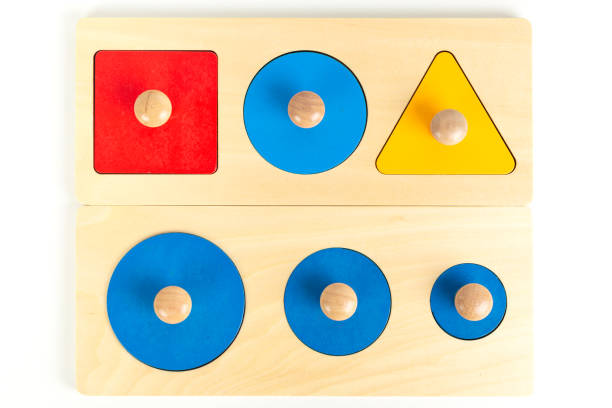
4. Wooden Discs by Size (Graduated Puzzle)
Difficulty: Medium
Skills: Early math, size sorting
Use wooden discs (sold as craft slices or cut from fallen branches). Sand them smooth. Make three sizes: es—small, medium, and large.
Your toddler arranges them in size groups or stacks them.
5. Textured Sensory Matching Board
Difficulty: Easy
Skills: Sensory exploration, matching
Glue fabric squares (corduroy, velvet, cotton, faux fur) onto a board. Glue matching squares onto individual tiles. Toddlers match texture to texture.
It’s like the toddler version of a cosy fabric store.
6. Lid-and-Container Puzzle
Difficulty: Easy
Skills: Practical life, coordination
Gather jars or containers with different lid styles: twist, snap, and flip. Your toddler matches lids to the correct base.
This is a lifesaver for long afternoons.
7. Button Slot Puzzle
Difficulty: Medium
Skills: Fine motor, finger strength
Cut a slit into the top of a container (like an oatmeal can). Toddlers push large craft buttons through the slot.
Sounds simple, but this occupies them far longer than you’d expect.
8. Cereal Box Chunky Puzzle
Difficulty: Very easy
Skills: Matching, hand-eye coordination
Cut out characters or images from cereal boxes. Glue them onto cardboard. Then cut them into big “puzzle pieces.”
Zero waste. Infinite toddler joy.
9. Velcro Matching Tiles
Difficulty: Easy
Skills: Cause-and-effect, categorization
Attach soft Velcro dots to tiles and the fuzzy ones to matching images on a board. Toddlers love the little ripping sound.
It’s oddly satisfying.
10. Seasonal Picture Puzzle
Difficulty: Easy
Skills: Observation, storytelling
Use photos of leaves, pumpkins, snowflakes, or holiday decorations. Laminate (optional) and cut into strips. Your child arranges them back into a complete picture.
A great way to talk about changing weather or upcoming festivities.
11. Name Puzzle (Foam or Wood Letters)
Difficulty: Medium
Skills: Pre-literacy, recognition
Cut out foam letters of your toddler’s name. Trace the outline onto a board so they can match letter to letter.
Even if they can’t “read,” they recognise familiar letters quickly.
12. Number Matching Strip (1–5 or 1–10)
Difficulty: Medium
Skills: Counting, order, visual scanning
Write numbers on a strip, then create matching tiles with dots or small drawings. Your toddler places the correct tile under the correct number.
Start with 1–5, then expand when they’re ready.
How to Introduce Puzzles the Montessori Way
You know what most of us do without realising it? We overtalk. We explain, while the toddler is already trying to figure it out. Montessori takes a gentler approach.
Here’s the mindset:
- Show slowly
- Speak less
- Pause more
- Let the child try
- Step back (even if it feels uncomfortable)
A toddler doesn’t need a lecture on “matching the triangle to the triangle slot.” They need space, quiet, and trust. And yes, sometimes they’ll get frustrated. They’ll fling a piece or whine or look like they’re about to give up. But that little moment, right there, it’s where learning settles in.
Your job is to observe, not rush.
Storage & Rotation Tips That Make a Huge Difference
Montessori homes usually use trays, baskets, or low shelves. The goal isn’t aesthetic perfection, it’s visibility and order. When toddlers can see their materials, they engage more deeply.
Try this:
Rotate 3–5 puzzles each week.
Store the others in a bin out of sight.
There’s a funny truth here: toddlers don’t get bored because the toys change. They get bored because there’s too much. A cluttered room scrambles their attention; a tidy shelf settles it.
How to Know When a Puzzle Is Too Easy or Too Hard
Too easy
- They finish it in seconds
- They walk away mid-play
- They start doing it “silly”, piece on their head, piece in their sock
Too hard
- They get upset quickly
- They try to throw pieces
- They lose interest immediately
Adjust by simplifying (remove pieces, reduce choices) or adding difficulty (more pieces, complex shapes).
Realistically? Toddlers bounce between skill levels depending on mood, sleep, and hunger. What’s “too hard” on a tired Tuesday morning might be “just right” on a sunny Saturday.
Safety Tips You Really Shouldn’t Skip
Toddlers explore with all their senses, hands, eyes, and mouth. So safety matters.
- Avoid small pieces for kids under 3
- Sand rough wood
- Use non-toxic glue and finishes
- Always supervise
- Check materials regularly for wear
Montessori encourages independence, but not risky independence.
A Gentle Closing Thought
DIY puzzles aren’t about being crafty or perfect. They’re about slowing down. Paying attention. Creating simple invitations for your toddler to explore the world at their own pace.
These little handmade activities? They become memories. The kind your toddler won’t remember consciously, but will feel, through confidence, curiosity, and that quiet belief that learning is joyful.
So try one puzzle this week. Start simple. Watch your toddler’s eyes light up when they figure something out. And take a moment to enjoy that sweet mix of pride, relief, and “Wow, I actually made this myself.”
You did great already, now let’s keep building.