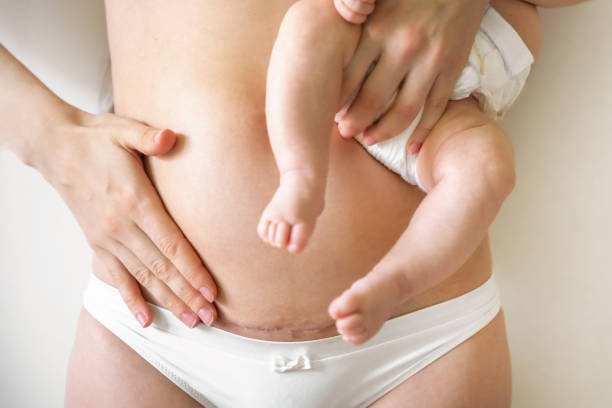
Preparing for a C-section (planned or unplanned) is a little like preparing for a marathon you can’t fully rehearse. You read about it, you gather the gear, you talk to people who’ve done it, but the truth is, you can’t really feel what it’s like until you’re in it.
That said, knowing what to expect and setting up some supports ahead of time can make recovery smoother, calmer, and a bit less overwhelming.
This guide blends practical insight, emotional reassurance, and real-life instincts you get from being in the thick of parenthood. Whether you’re giving birth yourself or supporting your partner, think of this as the friend-meets-professional explanation you wish someone had given you earlier.
Before we jump in, I want you to take a breath. Really, inhale, exhale. The days leading up to delivery can feel like a blur of excitement, caution, lists, and “Wait… did we pack that?” You’re not alone. Let’s walk through this together.
Quick Outline (Before We Get Into the Good Stuff)
- Understanding What a C-Section Recovery REALLY Looks Like
- Setting Up Your Home, Your Future Self Will Thank You
- What to Pack Before Heading to the Hospital
- Pain Management: What Helps and What Doesn’t
- Walking, Resting, and That First Shower
- Caring for the Incision Without Stressing
- Feeding Baby While Protecting Your Core & Incision
- Your Emotional Recovery (Because It Matters)
- Partners & Support People: What You Can Actually Do
- When to Call Your Doctor, No Hesitation Necessary
- Real Talk FAQs from Parents Who’ve Been There
1. What C-Section Recovery Really Feels Like (Without Sugarcoating It)
A C-section is major abdominal surgery. People sometimes forget that because we associate birth with something natural and common. But we’re talking layers, skin, fat, fascia, muscle (gently parted, not cut), uterus. That’s a lot of healing happening simultaneously, so yes, it’s normal if your body feels… foreign for a bit.
The first few days are usually the toughest. You might feel tugging, burning, pressure, or that odd “my organs are rearranging” sensation. Some describe the first time standing up as feeling like their stomach might fall out (it won’t!). And then there’s the gas pain, wow.
No one warns you enough about that. Shoulder pain, chest tightness, belly bloating, it’s all your digestive system waking back up.
But you know what? You also adapt faster than you’d expect. The body is wild like that. Most parents say the first week feels long, the second week feels better, and by week four, they can move around without wincing every few minutes.
Recovery isn’t linear, though. One day you feel fine, the next you take one step too fa, st and suddenly you’re walking like a retired cowboy. That’s normal too.
2. Setting Up Your Home, Make It Recovery-Friendly
Here’s the thing: once you’re home, you’re going to want everything within reach. Not because you’re lazy, but because standing up from a couch bed or bending to pick things off the floor becomes Olympic-level effort.
A few home adjustments can save you grief:
• Create a “recovery nest”
Some people use the couch; others choose their bed. The key is easy access. Keep a basket with:
- Pain meds
- Water bottle with a straw (you’ll want to sip without sitting up fully)
- Nursing or feeding supplies
- Light snacks (granola bars, dates, crackers, whatever you like)
- A phone charger with an absurdly long cable
- A small pillow for coughing/laughing support
• Raise the things you use most
If it requires bending, lifting, twisting, or stretching… move it higher.
Changing diapers on the bed or couch height, not the floor? Huge difference.
• Set up night stations for feeding
Whether breastfeeding or formula feeding, nighttime hits different during recovery. Pre-position bottles, burp cloths, wipes, and anything else your half-asleep self will need.
• Get a postpartum support band (the right kind)
Not too tight, not those corset-style ones on Instagram, just a medical-grade abdominal binder. Some hospitals give them; if noaskAsk your OB which type suits your healing stage. It gives stability, comfort, and strangely, confidence.
• If you have stairs, plan your movement
You may manage stairs once or twice a day, but setting up your essentials on one floor helps. No need to surprise your incision with stair workouts.
3. Pack Your Hospital Bag Like a Parent Who’s Been There Before
Hospital bags are hilarious. You think you’ll use everything, but the truth is, you touch maybe 30% of what you pack. Still, a few C-section-specific items do matter:
Essentials for C-section moms
- High-waist cotton underwear (think grandma style; trust me, it’s perfect)
- Loose dresses or nightgowns that don’t rub the incision
- Slippers you can slide into without bending
- Gas-relief drops or chewables (ask your doctor)
- A belly binder if your hospital doesn’t provide one
Comfort items
- Your own pillow (hospital pillows are… hospital pillows)
- A soft blanket or shawl
- Lip balm
- Headphones
- A soft robe for easy breastfeeding
Baby basics
Hospitals usually provide diapers, wipes, and swaddles, so don’t overpack. Bring:
- One going-home outfit
- A hat if you want photos
- Car seat installed properly
A small but real tip:
Pack clothes that sit ABOVE your incision line. Anything pressing against that area in the first week feels like rubbing a bruise with a zipper.
4. Pain Management Isn’t About “Being Tough”, It’s About Healing
There’s this weird cultural thing where parents (especially mothers) feel like they have to endure pain silently. But you heal faster and move better when pain is controlled.
Your doctor may recommend:
- Ibuprofen
- Acetaminophen
- Sometimes, stronger medication is used in the first 48–72 hours
Take them on schedule. Set timers. Don’t skip doses thinking you’re “doing fine”; by the time pain ramps up, you’re playing catch-up.
A few unexpected things help too:
- Warm showers (not hot) relax the muscles
- Pillows for bracing when standing, coughing, or getting out of bed
- Walking short distances to prevent clotting and ease gas pain
And honestly? Hydration works wonders. Sip all day. I always tell people: get a bottle with a straw and act like you’re at the spa, even if you’re surrounded by diapers.
5. Walking, Resting, and That First Shower Experience
Let me explain something. That first time you stand after surgery is an experience. Nurses will guide you, and you’ll shuffle like a penguin trying to find its balance. It’s slow, weird, and slightly scary. But you feel proud afterwards.
Walking
You don’t need miles. A few steps at a time are enough. It wakes the digestive system, prevents blood clots, and helps your incision settle.
Resting
Even if you feel restless, your body’s doing heavy internal repair work. You know,, how after your laptop installs a huge u updatee and suddenly runs slowly? That’s your body. Respect the “processing mode.”
Showering
The first shower at the hospital feels like you’re washing off the fog of surgery. Move slowly. Keep gentlygentle over the incision. Pat dry, don’t rub.
A small detail: use a shower stool at home the first week if standing for long periods tires you. It sounds dramatic until you try washing your legs with fresh stitches.
6. Caring for Your Incision Without Stressing About It
Incision care is simpler than people assume. In most cases:
- Keep it gently clean
- Allow it to air dry
- Wear breathable clothing
- Avoid lifting anything heavier than your baby
If you have steri-strips, they’ll fall off on their own. If you have stitches or staples, your doctor will handle their removal.
Watch for redness, swelling, unusual discharge, or a smell that feels “off.” If anything worries you, you call your healthcare provider. No shame, no “I don’t want to bother them.” That’s literally their job.
A small but important note: friction is your enemy. High-waist underwear and soft fabrics are your best friends.
7. Feeding Your Baby Without Straining Your Core
Feeding positions matter so much after a C-section because leaning forward or twisting can pull on your incision.
Comfortable breastfeeding positions
- Football hold (your baby tucked beside you like a small rugby ball)
- Side-lying (lifesaver at night)
- Laid-back recline
Use pillows shamelessly, Boppy pillows, bed pillows, rolled blankets, everything. You are building a nest, not decorating a showroom.
Bottle-feeding after a C-section
Choose positions where your arms are supported and your torso stays upright. A lot of parents use:
- Sitting with a pillow under the baby
- Side-lying with baby propped safely
The goal is the same: no straining, no leaning forward like a human question mark.
8. Emotional Recovery. The Part Nobody Talks About Enough
C-sections can stir up a cocktail of feelings. Relief. Pride. Confusion. Sometimes disappointment. Sometimes gratitude is so intense that it makes you cry in the middle of the night. And sometimes… nothing at all. Just numbness because your body is tired beyond words.
No reaction is wrong.
Some parents need time to process the surgery. Some feel disconnected from their bodies for weeks. Some struggle with unexpected grief if their birth didn’t go as planned. This is all real and valid.
If you felt pressured into a C-section, or if it happened during an emergency, your emotions might come in waves. You might replay moments in your mind. That’s OK too.
Talking helps, your partner, your doctor, a therapist, an online support group like Reddit’s r/Csection community, or even a postpartum doula. Emotional recovery is a huge part of physical healing.
9. Partners & Support People: Here’s What You Can Actually Do
Partners often ask, “How can I help?” but the truth is they’re sometimes overwhelmed too. Here are things that genuinely make a difference:
1. Handle the bending and lifting
Laundry, baby baths, carrying things, these become your domain for a bit.
2. Be the “movement coach”
Help your partner sit, stand, turn, or get in and out of bed without twisting.
3. Manage the house noise
Visitors, phone calls, people dropping by unexpectedly—gatekeep it like a bouncer at a nightclub.
4. Encourage hydration and eating
Even simple reminders like “You’ve been holding the baby for two hours; let me take over” help immensely.
5. Listen, truly listen
Birth can be emotional. Let them talk without trying to fix everything.
6. Learn the feeding system
Understand the bottles, pumps, washing, storing, and anything to lighten the load.
7. Watch for mood changes
You’re the closest observer. If something feels off, bring it up gently and supportively.
The parent recovering from surgery shouldn’t have to manage the household. That role shifts temporarily, and partners honestly shine when they take that shift seriously.
10. When to Call Your Doctor, No Hesitation Necessary
Here’s a simple rule:
If your gut says something’s wrong, call.
But here are specific red flags:
- Fever above 38°C (100.4°F)
- Redness spreading around the incision
- Foul-smelling discharge
- Heavy bleeding (soaking a pad in an hour)
- Suddenly, sharp abdominal pain
- Shortness of breath
- Leg swelling or pain (could be a clot)
- Chest pain
- Thoughts of harming yourself
- Persistent sadness that feels heavy
Doctors would rather you call “too early” than too late. You’re not inconveniencing anyone. You’re protecting yourself.
11. Honest FAQs from Parents Who’ve Been There
“When can I drive again?”
Usually around two weeks, but only when you can brake suddenly without hesitation. (Test this in your driveway first.)
“When can we… uh… resume intimacy?”
Generally,, after six weeks, but listen to your comfort level. There’s no prize for rushing.
“Why does my belly feel numb?”
Nerves need time to regenerate. Some sensation returns in weeks; some takemonths.
“Will the scar fade?”
It softens and lightens significantly over time. Silicone sheets can help once approved by your doctor.
“Can I sleep on my stomach?”
Not immediately. Most people return to stomach sleeping around week 6–8.
“Why does laughing hurt so much?”
Because your core engages every time you laugh or cough. Hug a pillow against your incision. .ounds silly, works wonders.
Final Thoughts. You’re Healing More Than You Realise
Here’s the truth nobody says out loud: recovering from a C-section while caring for a newborn is one of the most demanding combinations a human can experience. You’re healing from surgery and learning a tiny human at the same time. It’s messy, beautiful, exhausting, and absolutely remarkable.
You’ll have days when you feel strong and days when you walk around holding your belly like it’s made of glass. Both days count. Both days matter.
You’re not supposed to do this alone.
Lean on people. Use tools. Take shortcuts. Rest when you can. Accept help even when you feel awkward about it. Your healing isn’t a race; it’s a slow, steady conversation between your body and time.
And you know what? You’re going to get through this, stronger, wiser, and unbelievably proud.
