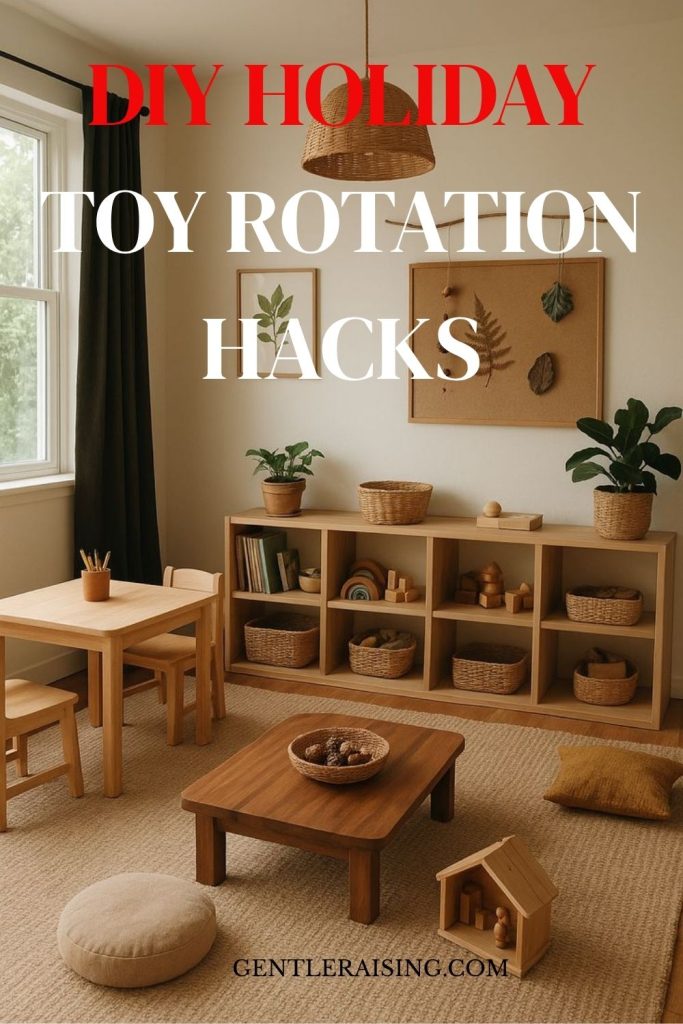
Let me set the scene: you walk into the playroom at 5 p.m. and your floor is littered with blocks, stuffed animals, puzzle pieces — a chaotic mosaic of childhood. You’re tired; dinner’s half made; you wonder, how did we get here again? You’re not alone.
What if I told you there’s a way to reuse your existing toys, bring back that magic of “newness,” reduce the mess, and maybe, just maybe, reclaim ten minutes of calm per day? That’s where toy rotation comes in. But before you imagine a rigid, Pinterest-perfect system, hear me out: you don’t need to buy fancy bins or follow some Instagram “influencer mom hack”, just a little strategy, some DIY spirit, and a dose of flexibility.
(Yes, you can do this, even during the holidays. You know what? The season makes it even more fun.)
Why Toy Rotation Is More Than Just a Clean-Up Trick
Let’s be blunt: no parent actually dreams of being a toy librarian. But toy rotation does more than reduce clutter. Here are the deeper perks:
- Keeps novelty alive. When you pull back certain toys and bring them out again weeks later, they feel fresh once more. That old puzzle becomes new magic.
- Boosts focus and creativity. Fewer distractions mean deeper play. Instead of flitting among 50 options, your child delves into one or two.
- Less cleanup stress. If there are only a handful of things out, cleanup is manageable.
- Emotional breathing room. For you: fewer decisions, fewer battles. For them: less overstimulation.
- Teaches gratitude and mindfulness. The child learns to value what they have, instead of always wanting more.
Plus, during the holidays, our homes are already full of “stuff”, extra gifts, decorations, and treats. So the less spread of everyday toys, the more room for festive things.
Step 1: Planning Your Rotation System (Yes, there’s a method)
Before you grab bins, take a deep breath and inventory what you already own. It’s tempting to rush into organising, but this step matters.
Do this:
- Dump all toys in one place (the living room, the nursery floor — wherever).
- Group by type, age, interest: puzzles & blocks, art supplies, dolls/figures, vehicles, books.
- Ask: which ones are favourites, which ones are rarely used, which ones feel “meh”?
- Decide rotation frequency. Weekly? Every two weeks? Monthly?
- Determine your “active zone” count — maybe 5–8 toys out at once; others stay hidden.
You’re building a system you can tweak. Don’t over-engineer.
DIY Hacks to Rotate Toys (Without Spending a Fortune)
Here’s where the fun begins. Below are hacks you can start this afternoon. Mix, match, adapt to your space.
1. Bins with Character (and Meaning)
You don’t need expensive containers. Grab clear plastic bins, repurpose shoeboxes, or use old laundry baskets. Then:
- Label them with masking tape or use chalkboard paint on the sides.
- Use colour or symbol system (red = art supplies, blue = building toys).
- Stack th, but keep the “active” one at child height.
Seeing just one bin on the floor sets a natural limit: you only play with what’s out.
2. Theme Bundles. Tell a Story
Kids love themed sets. Try bundling things like:
- “Construction kit”: blocks, diggers, play silica sand
- “Nature basket”: pinecones, leaves, glue & twigs
- “Reading nook box”: 3–4 board books + a soft toy
- “Colourr & craft pouch”: crayons, small paper pads, stamps
Every time you rotate, you swap out a whole vibe. It helps you think less about each toy, and more about the “experience.”
3. Use a Curtain Rod + Clips as a Toy Rail
This is underappreciated. Install a simple tension rod or mini curtain rod above a play area. Use clips to:
- Hang soft cloth books
- Clip puzzles, felt boards
- Hang small bags of magnetic shapes
The toys that are visible but off the floor feel like part of the decor, and kids enjoy the “reveals.”
4. Slide-Out “Secret Drawer” Under the Bed
If your child’s bed has space underneath (or even if it’s just low clearance), use clear shoe boxes or shallow bins. Date them or label them. Slide one “rotation box” out when you’re ready to swap. Poof, new toy showtime.
5. Storage That Disappears
Use baskets or ottomans that double as furniture. Some ideas:
- Woven baskets with lids
- Storage bench in the playroom
- A decorative trunk or chest that opens
- Canvas bins that fold when not in use
The goal: hide the stash while still making rotating easy.
6. Mini Sorters for Tiny Bits
Small bits (LEGO studs, puzzle pieces, doll accessories) are the worst. Try:
- Muffin tins
- Ice cube trays
- Small tackle boxes
- Drawer organizers
They keep pieces separate and are easy to rotate as a unit.
7. “Treasure Chest” Surprise Wrapping
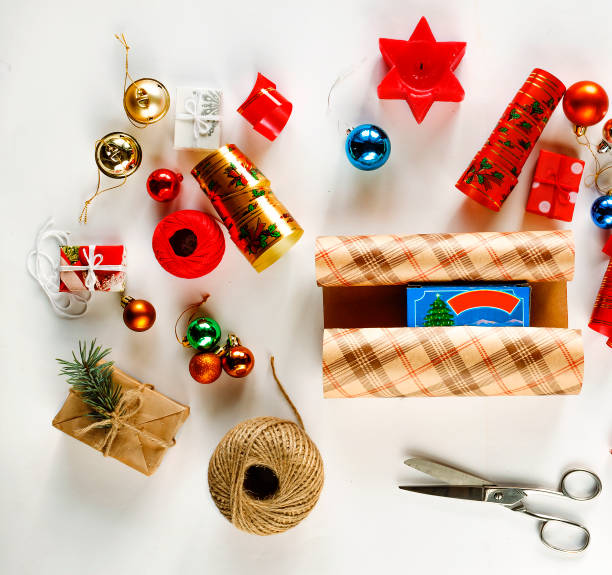
Almost like an advent gift, wrap one toy (or small set) each time you rotate. Use gift wrap or newspaper. The peel-the-paper feeling makes it exciting. Your child may forget it was even in storage, surprise!
8. Magnetic Board or Metal Sheet Display
Mount a thin metal sheet or magnetic board on the wall (or inside a cabinet door). Use magnets to hold:
- Alphabet magnets
- Metal vehicles
- Magnetic puzzles
- Magnetic drawing boards
Rotate which magnets appear; the rest stay tucked away.
9. DIY Flip-Chart Reveal Schedule
On a calendar or wall chart, write “Toy Box A” / “Box B” / “Box C”. Every few days (or weeks), flip to the next. Helps you (and your child) anticipate which box is coming next. For many toddlers, anticipation is half the fun.
Holiday Twists to Make It Festive
Because ’tis the season, right? Let’s marry your toy rotation system with holiday fun.
- Holiday-decorated boxes. Use snowflake stickers, wrapping paper, and glitter for your rotation bins.
- Thematic swaps. Slide in seasonal crafts, holiday puzzles, and DIY ornament kits.
- Advent style reveals. Each day (or every few days), open a little door or box to reveal which toy returns.
- Quiet corner upgrades. Add softer, calmer toys (felt trees, quiet puzzles) for post-feast downtime.
- Grandparent sets. When relatives visit, pre-pack a “visiting box” so your child isn’t overwhelmed by all the new gifts at once.
These twists make the system feel magical rather than mechanical.
How to Actually Make It Stick (Because Starting Is the Easiest)
A system is only as good as your follow-through. Here’s how to turn these hacks into a habit:
- Set a reminder (in your phone or calendar): “Swap toys today.”
- Keep the “out box” small. If you allow 6 toys out, hold to it.
- Watch your child. Some toys deserve longer stays; others get ignored quickly. Adjust accordingly.
- Don’t expect perfection. Some days you’ll skip a swap, or the child will demand the “old favourite.” That’s okay.
- Bring in helpers. Involve your partner or older siblings in the swap process. It empowers them.
- Swap with other parents. Rotate in a toy borrowed from a friend’s child, it feels fresh and free.
- Seasonal purge. At each major holiday, revisit your stash. Donate or store what’s no longer used.
Once it becomes routine, the swaps take just 5 minutes.
When (and How) to Adjust the System
Your child will change. Interests shift. What worked at 18 months may not work at 3 years. Here’s how to tweak:
- Scale up the number of “active toys” if your child can handle more.
- Scale down if you notice stress, overwhelm, or disinterest creeping in.
- Travel version. Pack a small travel box of rotation toys for hotel/visits. Familiar but limited.
- Multi-child homes.
- Share some rotation boxes across siblings.
- Or give each child one or two exclusive boxes plus a shared one.
- Holiday/gift influx. When new gifts come in, don’t dump them all out. Add them slowly into rotation rather than flooding your space.
Stay adaptable. The system must bend with your family.
Real Stories from the Trenches
I once spoke with a new mom, Sarah (first baby, husband deployed). In December, she found her living room swallowed by toys after her nieces visited. She grabbed three bins, scribbled “A,” “B,” “C” with a marker, and swapped one bin per week. By week two, her toddler lined up bins, pointing: “B!” The rotation system became playful. Her house felt calmer; her child rediscovered toys. She told me, “I feel like Santa in reverse, hiding toys instead of delivering them.”
Another dad, Raj, tried a “treasure chest” wrap trick. On the first December morning, he wrapped an old puzzle with holiday paper. His daughter squealed, peeled it open, and played quietly for thirty minutes, just like that, no fuss. He said he felt he “bought himself fifteen peaceful minutes.” He screenshotted the moment because in the chaos of parenting, sometimes the small wins feel huge.
Failures, too: I heard of someone trying to label bins with lexicon levels (Level 1, 2, 3). Their toddler didn’t care; he just dumped all the bins into one giant pile. The lesson? Keep it simple. Maybe “red box / blue box” works better than elaborate coding.
Common Questions & Troubleshooting
“My kid insists on one toy. How do I rotate?”
Start small. Leave that beloved toy out (if need be), and rotate around it. Gradually bring it into rotation later.
“What if they lose interest in everything?”
That might signal boredom or overstimulation. Pause for a day, reintroduce favourites, and pick fresh ones.
“Too many tiny pieces, it’s overwhelming.”
Group them (see mini sorters above). If a set has 100 pieces but only 20 are used, rotate just the 20, store the rest.
“My house is tiny. No space for bins.”
Go vertical: wall pockets, hanging baskets, tension rods. Use furniture with hidden storage. Rotate fewer items at a time.
“I’ll forget to swap.”
Tie it to an existing habit: after your morning coffee, or before putting the baby down for a nap. Use a phone reminder or sticky note.
Let’s Try This Together (Here’s a Mini-Plan You Can Start Now)
- This evening: dump one toy zone (e.g. art supplies) into a pile.
- Pick 5 items to stay out. Box the rest.
- Label the box (via marker, tape).
- Set your phone to remind you in one week: “swap box.”
- DurDuDuringiday season, decorate the box or wrap one toy inside for fun.
Try it. Even if you miss a swap, it’s okay. The goal is progress, not perfection.
Parenting is messy. Toy rotation isn’t about creating Instagram-perfect shelves. It’s about reclaiming your space, renewing your child’s joy in what they already have, and giving yourself just a little breathing room.
Give one hack a shot this week. See how your child reacts. Adjust, laugh, fail, try again. In time, the system becomes invisible, just a quiet background rhythm in your holiday season.