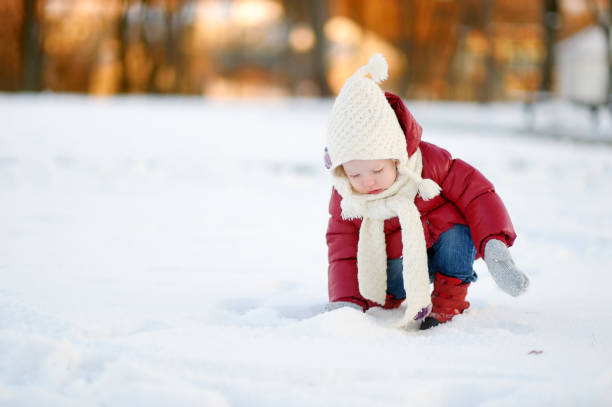
Winter with a toddler? It’s equal parts magic and arithmetic. On one hand, the crisp air, snowflakes, and little puffs of breath are wonderful. On the other hand, dressing your child so she’s cosy but not sweltering, avoiding fussiness, and juggling layers, can feel like a science test.
You know what? Nearly every parent frets over whether they’ve overdressed or underdressed their toddler. Will she run cold? Will he sweat under all those layers? The truth is: with a solid checklist, you cut the guesswork. You trade “am I forgetting something?” for confidence and (yes) fewer tears in the car before heading out.
Let’s walk step by step through what you really need, the essentials, the extras you’ll be glad you have, and tips to reduce the chaos on cold mornings.
Understanding the Basics: Layers, Fit, Materials
The Layering Principle (No, it’s not optional)
Think of dressing a toddler like using building blocks:
- Base layer (next to skin): wicks moisture
- Middle layer(s): insulation
- Outer layer: protection against wind, snow, rain
When it warms up or they move around, you can peel off a middle layer. When the temperature drops, you add. That adjustability is the key.
Why Fit Trumps Brand
A top from a fancy brand won’t help if it’s too tight or too loose. Clothes that are snug (but not choking) keep warmth where you want it; loose clothes let drafts in. If a mitten is oversized and slips off, it’s useless. So: always check the fit, move their arms, have them sit, wiggle.
Materials That Work (And Those That Don’t)
- Wool and merino wool, excellent insulators, even when damp (but can itch; double up with soft layers).
- Fleece/microfleece is, great mid-layer material. Lightweight, warm, breathable.
- Synthetics (polyester blends, “technical” fabrics) — many modern base layers are synthetic for moisture wicking.
- Avoid pure cotton next to skin in cold — it absorbs moisture and makes chills worse.
A good compromise: merino wool + synthetic blend layers. Or layering a fine soft cotton/silk blend under a technical top for sensitive skin.
The Core Checklist: What Every Toddler Needs
Here’s where you’ll want to tick off items. Don’t think “one of each”, think “how many for rotation, spares, laundry days?”
Base Layers
- Long-sleeve thermal tops (2–3)
- Thermal bottoms/leggings (2–3)
- Tight-fitting bodysuit if your toddler still wears them
These keep them snug and wick away sweat from play.
Middle / Insulating Layers
- A couple of fleece or wool pullovers or sweaters
- Midweight fleece vest or zip jacket
- Poncho or fleece wrap (useful indoors or early evening)
Outerwear
- A heavy winter coat or snowsuit (depending on region)
- A lighter waterproof shell (for rainy, slushy days)
- A hooded jacket (if snow is unlikely, but cold wind is)
You might not need all simultaneously; adapt to the weather.
Accessories (you can’t skip these)
- Hats/beanies (2 or 3, one spare, one in the car)
- Ear flaps if your region is windy
- Neck gaiter, scarf, or snood
- Mittens/gloves (insulated and waterproof)
- Spare mittens/gloves (in case one is lost in the snow)
- Wool or thermal socks (3–4 pairs)
- Over-boot socks (if boots are large)
Footwear
- Insulated, waterproof boots
- Warm liners (some boots accept them)
- Snow boot covers or goloshes (if boots are less insulated)
- Indoor shoes/slippers (for when they come inside cold)
Extras You Might Overlook (But Will Be Glad You Have)
- Warm sleepwear: don’t forget thick pyjamas or sleepers, especially for winter nights.
- Transitional layers: children often get chilly in hallways or at school, so keep a sweater “just in case.”
- Waterproof items: think splash pants or waterproof overtrousers for snow play.
- Spare sets: extra socks, gloves, hat in the car or in a bag, because toddlers lose things (inevitably).
- Thermal inserts and emergency blankets: good for long drives or hikes.
- Cooling packs/ventilation fabric: if indoors, they overheat, handy to remove layers.
Tips Optimise the Closet & Minimise Stress
How Many of Each?
A rule of thumb: at least two per “essential” item (boots and outerwear excepted). Why? Laundry days. Also, one spare set in your car or diaper bag.
Rotation, Washing & Drying
Wash on a gentle cycle using mild detergent (no fabric softener for technical fabrics). Dry flat if possible, or low tumble, high heat can ruin insulation or shrink things.
Label mittens/gloves with your phone number (yes, people do that). Use clips to attach gloves to jackets.
Travel & Outings: Packing a “Mini Emergency Kit”
In your bag: spare socks, gloves, a hat, a light fleece, a plastic bag (for wet items), and hand warmers. If you’re going out for a few hours, plan for a sudden storm or spill.
In the car: blanket, extra mittens in compartments, a warm hat for each child. For toddlers, sometimes the best insulation is “mom’s lap + blanket” during short exits.
Monitoring Comfort
A quick check: touch the back of their neck. If sweating, too warm. If cold to the touch, they’re underdressed. Also, listen: if they’re shivering, that’s a signal. Watch their behaviour: cranky, restless, or tucked arms might indicate discomfort.
Special Considerations (Climate, Activity, Age)
Very Cold vs Milder Climates
If you live somewhere where now and wind are daily (e.g. northern regions), heavier snowsuits and fur-lined items are essential. But if your winters are milder (drizzle, wind), you might favour windproof shells + insulating layers instead of thick parkas.
Active Toddlers vs More Sedentary Ones
A child who’s always running, climbing, and sliding will generate body heat, so lighter midlayers may suffice. A toddler riding in a stroller or sitting still might need extra insulating layers.
Age / Size Variation
Between 1 and 3, toddlers grow fast. It may be tempting to buy bigger sizes “for next season,” but ill-fitting clothing is problematic. Try to stay within their current size for comfort, and reserve one “growth pair” per item.
Also, toddlers often kneel, crawl, slide, and reinforce the knees of pants and the wrists of sleeves. Snow pants with reinforced cuffs help.
Real-Life Scenarios & Sample Outfit Combos
Okay, let’s make this real, because Parent Mode is full of rapid decisions. Here are combos and tips:
- Errand trip, moderate cold (–5 to 0 °C)
Base layer + light sweater + waterproof shell + warm boots + hat + mittens - Playground time, snow on the ground (–10 to –5 °C)
Thermal base + fleece mid + snowsuit + insulated waterproof boots + neck gaiter + spare gloves - Transition indoors to outdoors
Dress so that removing the outer layer reveals a comfy mid- and base-layer set. For example, remove the coat, you still have the sweater and the base. - Overnight or long car ride
Dress in layers you can unzip or loosen. Have a blanket in the car. - Sudden plan change
If you head indoors sooner than expected, keep your outerwear on until just before entering; cold shock is real.
Store one “grab-and-go” outfit near the door (boots, hat, gloves, coat), so in groggy mornings you don’t have to hunt.
Emotional Check-In: You’ve Got This
Dressing a toddler for winter sometimes feels like juggling eight balls. You worry: Is she cold? Did I forget something? Am I doing this okay? The truth: you are. Every parent experiments, tweaks, and refines.
Celebrate small wins, like “She didn’t complain once at the playground” or “No wet socks when we got home.” Keep the checklist visible (on fridge, your phone) so you don’t recreate it from scratch every morning. And don’t beat yourself up if one glove goes missing, that’s part of the game.
You’re building habits, prepping systems, and yes, you’re learning. Over time, layering and dressing becomes less panic-mode and more “automatic.” And that’s when winter days become fun instead of fraught.
9. Appendix: Printable Checklist
Here’s a quick tabular version (you can print or pin it):
| Item Type | Essential / Quantity | Notes / Tips |
|---|---|---|
| Thermal tops | 2-3 | Soft, moisture-wicking |
| Thermal bottoms | 2-3 | Snug fit under layers |
| Hat/beanie | 2 | One spare |
| Midweight zip jacket or fleece vest | 1 | Versatile layer |
| Winter coat or snowsuit | 1 | Heavy-duty, insulated |
| Waterproof shell jacket | 1 | For rain/slush days |
| One spare in the car | 2-3 | Neck gaiter/scarf |
| Ear-flap hat | 1 | For windy conditions |
| Mittens/gloves | 1 | Easier than long scarves |
| Warm pyjamas / sleepers | 2 pairs | One spare set |
| Wool / thermal socks | 3-4 pairs | Rotate, keep dry |
| Insulated waterproof boots | 1 pair | For snow & cold |
| Boot liners / over-boot socks | 1 set | For extra insulation |
| Transitional sweater/fleece | 1-2 | For cold nights |
| Warm pyjamas/sleepers | 1 | For indoor/outdoor shifts |
| Waterproof over-pants / splash pants | 1 | For snow play |
| Blanket/emergency wrap | 1 set | Always good to have extras |
| For a car or stroller backup | 1 | Spare hat/mittens in the car |
