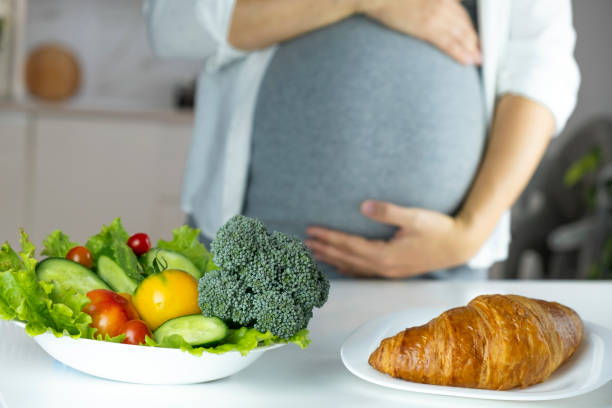
There’s something almost magical about that moment you find out you’re expecting. Suddenly, the world feels different, brighter, scarier, a little heavier in responsibility. And if you’re like most parents-to-be, the very next thought after the excitement hits is: “Wait… what am I supposed to eat now?”
Pregnancy changes your relationship with food in funny ways. One day, the smell of coffee makes you queasy, and the next, you’re fantasising about a cheeseburger at 3 a.m. The cravings are real. But so are the risks. And that’s where the confusion sets in.
Doctors, aunties, strangers in the grocery store, everyone has an opinion. “Eat more fish.” “Don’t touch fish.” “Herbal tea is fine.” “Herbal tea will ruin everything.” No wonder new moms feel overwhelmed. But here’s the thing: most of these rules come down to protecting your developing baby from bacteria, toxins, or nutrients in extreme doses. It’s less about scaring you and more about stacking the odds in your favour
So, let’s break this down together, without panic, without judgment. Just clear, real talk about what foods to avoid during pregnancy, what to limit, and how to enjoy eating without constantly second-guessing yourself.
Why Food Choices During Pregnancy Really Matter
Pregnancy turns your body into a high-efficiency factory, working overtime to build organs, bones, and even the tiny fingernails you’ll one day clip nervously. And like any factory, the quality of what goes in influences the output.
Here’s the science-y part: your immune system shifts when you’re pregnant. It’s not weaker, but it works differently, making you more susceptible to certain bacteria and foodborne illnesses. That’s why something that wouldn’t have fazed you before (like deli meat left out too long) could now cause serious issues. And while your body might handle food poisoning with misery and Netflix binges, your baby doesn’t have the same defences.
At the same time, your little one’s organs are forming. Certain substances, like mercury, excess vitamin A, or alcohol, can interfere with that delicate process. Which is why doctors harp on food safety.
But let’s be real: food is more than nutrients. It’s culture, comfort, and memory. A bowl of chicken soup made by your grandmother means more than its vitamin profile. That’s why these guidelines can feel like they’re stealing joy. But here’s the twist, they don’t have to. With a few swaps and some common sense, you can stay safe and still indulge.
The “Absolutely Not” List (Sorry, But It’s for a Good Cause)
Raw or Undercooked Meat and Fish: That Sushi Craving Can Wait
Sashimi, rare steak, carpaccio, it’s the stuff cravings are made of. But raw or undercooked proteins can carry parasites and bacteria like Listeria or Toxoplasma, which are especially risky in pregnancy.
Now, does that mean you can’t have sushi at all? Not exactly. Cooked rolls, like tempura shrimp or California rolls made with cooked crab, are fair game. And if you’re missing the experience, pair them with ginger and soy sauce, and you’ll barely notice.
High-Mercury Fish: Fish Isn’t the Enemy, But Some Species Are
Fish is fantastic for brain development thanks to omega-3 fatty acids. The trick is avoiding the species that build up high levels of mercury: shark, swordfish, king mackerel, and bigeye tuna.
Stick to salmon, sardines, trout, or even canned light tuna in moderation. A little fun fact? Sardines may not be glamorous, but they’re low in mercury and packed with calcium.
Deli Meats and Cold Cuts: Sorry, Charcuterie Boards…
There’s something about pregnancy that makes you crave a turkey sandwich more than ever. But deli meats can harbour Listeria. The workaround? Heat them until steaming hot. Yes, it takes the romance out of a prosciutto plate, but melted ham in a grilled cheese? Delicious.
Soft Cheeses and Unpasteurized Dairy: The Fancy Stuff Can Wait
Brie, Camembert, queso fresco, blue cheese, they sound like a European vacation on a plate. But unless they’re clearllabelleddedpasteurisedized, they’re risky. Pasteurisation kills bacteria. Most U.S. cheeses are safe, but always double-check the label.
If you’re desperate for that creamy texture, cream cheese, ricotta, and pasteurised mozzarella are all safe and pregnancy-approved.
Raw Eggs and Homemade Treats: Yes, Even That Cookie Dough Spoon
Raw eggs can carry salmonella. That means Caesar salad dressings made from scratch, homemade mayo, or that irresistible spoonful of cookie dough are off-limits. The good news? Many stores sell pasteurised eggs now, safe for recipes that call for raw eggs.
Caffeine: That Third Cup of Coffee? Maybe Not
Caffeine crosses the placenta, and babies can’t metabolise it the way adults do. High intake has been linked to miscarriage and low birth weight. The general guideline: keep it under 200 mg per day (roughly one 12-ounce cup of coffee).
If you’re a three-latte-a-day person, try mixing in decaf or switching one cup to tea. And yes, chocolate counts toward the total, though in smaller amounts.
Alcohol: The No-Brainer, But Still Worth Mentioning
There’s no known safe level of alcohol in pregnancy. Period. Which doesn’t make it easier when you’re at a wedding or watching your partner sip a cold beer on a hot day. That’s where mocktails and sparkling water come in. Bonus—they look just as fun in photos.
Herbal Teas and Remedies: Not All “Natural” Things Are Safe
Herbal teas feel comforting, but not all herbs are pregnancy-friendly. Some can trigger contractions or affect hormone levels. Chamomile, liquorice root, and certain detox blends should be skipped. Stick with peppermint, ginger, or pregnancy-safe blends your OB approves.
Raw Sprouts and Leafy Greens: Healthy, But Sneaky
Raw sprouts, like alfalfa, clover, or mung bean, can hide bacteria inside the seed where washing doesn’t help. Best to cook them. And while leafy greens are a nutritional powerhouse, wash them thoroughly to reduce risk.
Foods to Treat With Caution (Not Forbidden, Just Mindful)
Pregnancy doesn’t mean you’re sentenced to bland boiled chicken. Some foods just require moderation.
- Spicy foods: Totally safe, but may cause heartburn when your stomach is already squished.
- Sugar & processed snacks: Fine in moderation, but too much can spike blood sugar. Gestational diabetes risk is real.
- Artificial sweeteners: Some are considered safe, but saccharin and cyclamate are better avoided.
- Vitamin A-rich foods (like liver): Great in small amounts, but excessive vitamin A can be harmful.
Cravings, Culture, and the Emotional Side of Food Rules
Here’s the part nobody talks about: food restrictions can feel like loss. Maybe your family tradition is soft cheese at Christmas. Or maybe your comfort food is a runny-yolk egg on toast. Suddenly, it’s off the table, and that stings.
Cultural foods complicate it even more. In some cuisines, raw fish, raw milk, or herbal tonics are staples. Being told to avoid them can feel like being told to step away from your roots.
And then there’s the guilt. You cave once, you panic. But here’s the truth: one accidental sip or bite doesn’t erase months of care. What matters is the pattern, not the slip.
Practical Tips So Eating Still Feels Like Joy
- Swap smart: Craving sushi? Get a California roll. Missing cocktails? Try sparkling water with lime.
- Meal prep hacks: Wash and chop veggies ahead so salads are easy and safe.
- Restaurant ordering: Don’t be shy about asking if cheese is pasteurised or if eggs are fully cooked. Chefs are used to it.
Partners, Take Note: You Have a Role Too
Supporting someone through pregnancy isn’t just about midnight runs for ice cream (though those help). It’s also about sharing meals, cooking together, and not making your partner feel “policed.”
Make her a grilled panini with heated deli meat. Skip the wine with her and try that fancy non-alcoholic beer. Little gestures say, “We’re in this together.”
Wrapping It Up: Food Rules With Perspective
Pregnancy nutrition isn’t about perfection. It’s about minimising risks while still living your life. You’ll get mixed messages, Google will contradict your doctor, and your mom will contradict both. That’s okay. At the end of the day, the best compass is your healthcare provider and your own gut (literally and figuratively).
Food choices are one of the first acts of parenting. They set the tone: thoughtful, careful, but also flexible. Because soon enough, you’ll be navigating toddler picky phases, and trust me, you’ll want that practice in patience.
So eat with joy, eat with awareness, and remember, this isn’t about deprivation. It’s about love in edible form.
