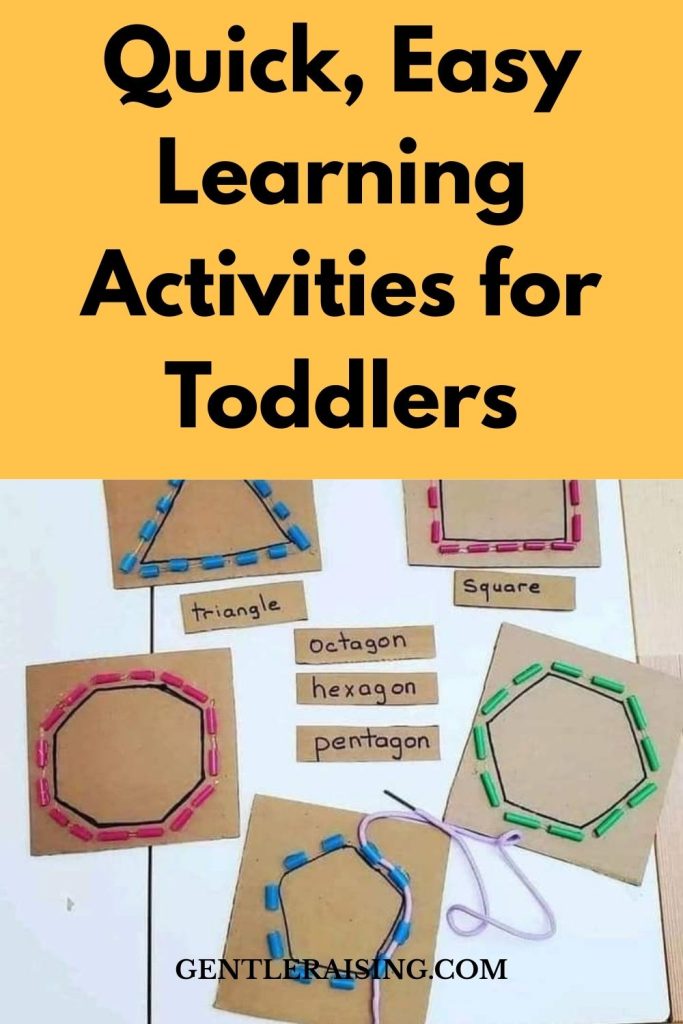
Picture this: your toddler is stacking a wobbly tower of blocks, their little tongue poking out in concentration. They place the last block, pause, and then, wham! Knock the whole thing over with a grin so wide it could melt anyone’s heart. You laugh, they laugh, and maybe you wonder quietly in the back of your mind: Is this actually teaching them something, or are they just making a mess?
The answer is both. And here’s the beautiful truth: play is learning. For toddlers, play isn’t the break from “real” learning; it’s the core of it. Their brains are busy wiring new connections at lightning speed, and those simple-seeming activities, singing songs, stirring pancake batter, and pointing at a dog on the street, are quietly building skills that will carry them through preschool and far beyond.
But let’s be honest, parenting a toddler often feels like juggling five things at once while someone’s yelling “No!” in the background. You don’t always have time to research Pinterest-perfect activities or set up elaborate Montessori shelves. And you don’t need to. With a little creativity, even folding laundry or waiting in line at the grocery store can become an impromptu learning adventure.
So, let’s talk about what’s really happening inside those little heads, and how everyday moments (and some playful setups) can become powerful learning activities for toddlers.
What’s Really Happening in Their Heads?
Toddlers are often described as sponges, and while that’s a cliché, it’s also remarkably accurate. Between ages one and three, the brain develops more synaptic connections than at any other point in life. It’s like watching a construction site that never sleeps, neurons firing, scaffolding going up, pathways being paved.
This is the age of:
- Language explosion, One day it’s “mama” and “ball,” the next it’s “I want the red ball, not that one.”
- Motor mastery, Clumsy steps turn into confident running, climbing, and eventually tricycle pedalling.
- Cause-and-effect experiments explain the endless fascination with pushing buttons, throwing food, and turning light switches on and off.
You’ve probably noticed those “Why?” questions popping up, too. At times, they feel relentless (“Why is the sky blue? Why is water wet?”),But they’re a sign of healthy curiosity. Toddlers aren’t trying to stump you; they’re mapping the world.
And here’s the kicker: they don’t need structured flashcards or complicated systems to thrive. What they need is engagement, your voice, your presence, your willingness to let them explore.
Everyday Moments Turned Learning Labs
You don’t have to carve out special “lesson time” to teach a toddler. Ordinary routines are packed with opportunities to learn.
Cooking together, measuring flour is early math. Stirring batter builds motor coordination. Naming ingredients introduces new vocabulary. Plus, let’s be real, toddlers love the sensory thrill of squishing dough or sprinkling cheese.
Laundry folding, sorting socks by colour or size, is categorisation, one of the earliest forms of logical thinking. Even handing you clothes while you fold teaches cooperation.
Grocery shopping, the supermarket is a sensory wonderland. “Can you spot the yellow bananas?” “Let’s count how many apples go in the bag.” Yes, you might also be fielding a meltdown in aisle three, but that too is a kind of lesson in patience and emotional regulation.
See how the simplest tasks can double as little classrooms? You’re not just “getting through the day”; you’re actively shaping how your child sees and interacts with the world.
Classic Activities That Never Get Old
Some toys and activities have stuck around for generations for a reason: they work.
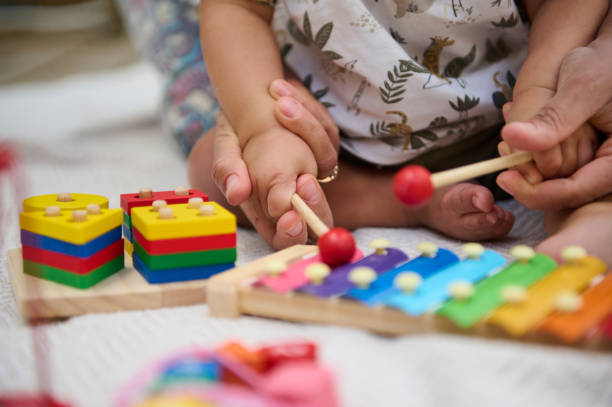
- Blocks and shape sorters: These develop spatial reasoning, problem-solving, and fine motor skills. Plus, knocking down towers never seems to lose its charm.
- Puzzles: Start simple, two or three large pieces. Watching your toddler rotate a puzzle piece until it “fits” is watching perseverance in action.
- Reading together: Stories expand vocabulary and teach rhythm. Books like Brown Bear, Brown Bear, What Do You See? or The Very Hungry Caterpillar are not just fun, they’re foundational.
- Nursery rhymes and songs: Rhyme and rhythm lay the groundwork for literacy later on. Singing also builds memory and emotional bonding.
And honestly, toddlers don’t care if a toy is “educational” in the adult sense. A cardboard box can become a spaceship, a fort, or a bed for stuffed animals. Their imagination fills in the blanks.
Creative Play: Art, Music, and a Bit of Mess
Here’s where things get a little messy, and that’s exactly the point. Toddlers learn through their senses, which means squishing, smearing, and experimenting with textures is part of the deal.
- Finger painting: Yes, it’s chaotic. But finger painting teaches colour recognition, cause and effect (paint smears when pushed), and emotional expression.
- Playdough: Rolling, squishing, and cutting strengthen hand muscles and prepare kids for future writing. Bonus: You can make homemade versions with flour, salt, and food colouring.
- Homemade instruments: A pot and a wooden spoon become a drum kit. Rice in a sealed bottle becomes a shaker. Music not only entertains but also teaches rhythm and coordination.
- Chalk art: Sidewalk chalk is washable, inexpensive, and perfect for outdoor creativity.
Here’s the thing: adults often shy away from mess. But for toddlers, mess isn’t a problem; it’s a tool. When your little one is elbow-deep in finger paint, they’re not just “making a mess.” They’re experimenting, creating, and learning to see the world through textures and colours.
Movement Matters: Big Energy, Big Growth
Toddlers aren’t meant to sit still for long. Movement is essential not only for physical growth but also for brain development.
- Obstacle courses: Pillows, tunnels made from blankets, and chairs to crawl under can transform your living room into an adventure zone.
- Dancing games: Freeze dance or musical chairs (with stuffed animals if you don’t have a group) teach listening skills and impulse control.
- Outdoor exploration: Collecting leaves, jumping in puddles, running barefoot in grass, these are not just cute Instagram moments. They build sensory awareness and resilience.
Some parents worry about whether their child is getting enough structured physical activity. Here’s the truth: toddlers need both. Organised play (like a music-and-movement class) builds social skills, but unstructured play, the “run around in the backyard until you collapse” kind, is just as valuable.
Social Learning in Action
Toddlers are watching, copying, and absorbing social rules constantly.
- Playdates: Yes, toddlers may squabble over toys or snatch from each other. That’s normal. Sharing isn’t automatic—it’s learned through experience.
- Story times: Local libraries often host toddler-friendly story hours. Besides exposure to books, kids practice sitting, listening, and interacting with peers.
- Imitation games: “Can you clap like me?” “Let’s pretend we’re animals.” Imitation builds empathy and imagination.
Conflicts, meltdowns, and tug-of-war battles over a plastic truck? They’re not failures of parenting. They’re practice sessions for understanding boundaries and empathy.
Language Boosters That Actually Work
The best way to support language? Talk. Not in baby talk, but in real, clear sentences.
- Narrate routines: During bath time, describe what you’re doing: “Here comes the warm water. Now we’re washing your toes.”
- Name emotions: Labelling feelings gives toddlers tools to express themselves. “You’re sad because your block tower fell.”
- Songs and rhymes: Repetition reinforces word patterns.
- Simple sign language: Words like “more,” “all done,” and “milk” can reduce frustration before speech fully develops.
Car rides, waiting rooms, grocery lines, all those little in-between moments can become language labs if you fill them with conversation.
Tech or No Tech? Finding the Balance
Here’s a touchy subject: screens. Parents often carry a hefty load of guilt about screen time. Some swear it off completely; others rely on it for sanity. The reality? It’s about balance.
The American Academy of Paediatrics suggests avoiding screens under 18 months (except for video calls with relatives) and keeping them limited for toddlers. That said, occasional use of high-quality content can be enriching, especially if you’re watching together. Shows like Sesame Street or apps like PBS Kids are interactive and designed with child development in mind.
The key is co-viewing. Instead of handing over a tablet and walking away, sit with your child. Talk about what they see. If Elmo is counting apples, count along. Make it social, not passive.
Seasonal and Cultural Fun
One of the best things about raising toddlers is watching them discover traditions, seasons, and little rituals.
- Autumn: Scoop pumpkin seeds, jump in leaf piles, and go apple picking.
- Winter: Fill a sensory bin with rice or “snow” (flour works in a pinch). Bake simple cookies together.
- Spring: Plant seeds in small pots. Toddlers love watering plants and watching sprouts grow.
- Summer: Water play, sprinklers, kiddie pools, or just a bowl of soapy water with cups.
And don’t forget cultural celebrations. Decorating for Diwali with paper lanterns, painting Easter eggs, and trying simple Lunar New Year crafts, these activities aren’t just fun. They connect children to family traditions and community identity.
When You’re Exhausted but Still Want to Engage
Parenting a toddler is joyful, yes, but it’s also exhausting. Some days you don’t have the energy for crafts, songs, or games. That’s okay. Low-effort activities count too.
- Sticker books: Peeling and sticking build fine motor skills with minimal setup.
- Quiet books: Fabric or felt books with flaps and zippers entertain while encouraging hand-eye coordination.
- Stacking cups: Toddlers will happily fill, stack, and knock over for long stretches.
And here’s a reminder: quality beats quantity. Ten minutes of focused, loving attention means more than an hour of distracted half-engagement. Sometimes the best “activity” is just cuddling on the couch, reading a favourite story, or humming a lullaby.
Wrapping Up with Reassurance
If there’s one thing to take away, it’s this: learning for toddlers doesn’t need to look like school. It doesn’t require expensive toys, complicated schedules, or pressure-filled “lessons.”
Learning happens in the kitchen, at the park, in the laundry room, even during a meltdown in the car seat. It happens in your conversations, your laughter, your shared routines. The activities we’ve talked about, building towers, painting with fingers, and planting seeds, are not just pastimes. They’re investments in curiosity, resilience, and confidence.
So the next time you catch your toddler gleefully banging on pots and pans or pointing at every dog on the street, remember, you’re witnessing learning in its purest form. And the most important ingredient in all of it? Not the toy, not the setup, not the Pinterest board. It’s you.
Because your toddler’s biggest, brightest, most beloved teacher is, and always will be, you.