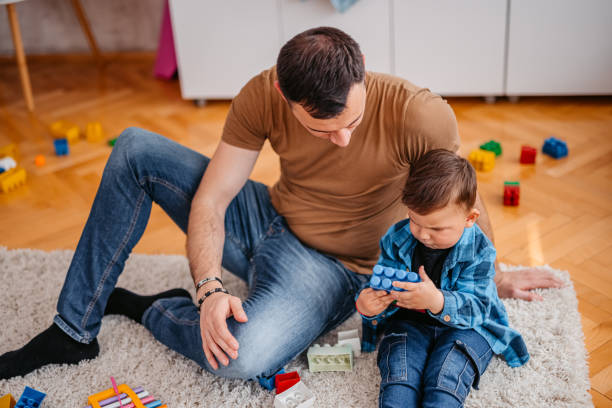
There’s a moment many parents recognise. It’s late. The house is quiet except for the hum of the fridge. One parent is folding laundry; the other is packing lunches that won’t be eaten anyway. Somewhere in between socks and snack containers, there’s a realisation: Parenting doesn’t look the way it used to.
For a lot of families, especially those with millennial parents, that shift is most noticeable in dads.
Millennial dads aren’t perfect. Let’s get that out of the way. They forgot picture day. They Google things mid-tantrum. They still argue about screen time limits and bedtime routines. But they are, in many households, showing up differently, more visibly, more emotionally, and more consistently than previous generations were expected to.
And here’s the thing that doesn’t get said enough: this shift matters just as much to mothers as it does to kids.
Because when dads change how they parent, the entire family dynamic changes with them.
Let me explain.
1. They’re Emotionally Present. Not Just “Around”
Millennial dads are far more comfortable talking about feelings. Not in a stiff, forced way, but in a language that sounds like real life.
You’ll hear things like:
- “It’s okay to feel mad.”
- “That was frustrating, huh?”
- “I need a minute to calm down.”
For many of them, this didn’t come naturally. It was learned, sometimes through therapy, sometimes through books, sometimes through sheer trial and error. But the effort is there.
Their own fathers may have shown love through provision. Food on the table. Roof overhead. That mattered. But emotional presence wasn’t always part of the job description.
Millennial dads tend to see it differently. They understand that kids don’t just need someone who’s home—they need someone who’s tuned in.
And yes, this can feel unfamiliar, even awkward. Some dads joke about using “therapy words” at the dinner table. Others admit they’re learning emotional vocabulary alongside their kids.
Honestly? That shared learning is kind of the point.
Children raised with emotionally available fathers often grow up better able to identify and express their emotions. Mothers notice this too; less emotional labour falls on one parent when both adults are comfortable navigating big feelings.
That’s not a small change. That’s structural.
2. Caregiving Isn’t “Helping”. It’s Shared Ownership
There’s a subtle but important language shift happening in millennial households.
Dads aren’t “helping out” anymore.
They’re parenting.
That means diapers without applause. Night wakings without reminders. Doctor appointments without detailed instructions taped to the fridge.
Millennial dads are more likely to know:
- Which kid hates which socks
- The teacher’s name (and email)
- How much medicine to give and when
This didn’t happen by accident. It came from conversations, sometimes uncomfortable ones, about invisible labour.
Many mothers reached a breaking point in recent years, especially during lockdowns. Suddenly, the imbalance was obvious. And millennial dads, to their credit, listened.
Is it always 50/50? No. Life doesn’t work like that. But there’s more awareness now, more accountability.
And more dads understand that parenting isn’t a favour to their partner, it’s a responsibility they fully own.
That shift alone has changed marriages, reduced resentment, and modelled equality in ways kids absorb without a single lecture.
3. Discipline Feels More Like Coaching Than Commanding
Yelling used to be a default. Obedience was the goal.
Millennial dads, influenced by gentle parenting conversations (and often by their partners), are rethinking discipline altogether.
Instead of asking, “How do I make my child listen?”
They’re asking, “What is my child trying to communicate?”
That doesn’t mean permissive parenting. Boundaries still exist. Consequences still happen.
But the tone is different.
More dads are:
- Getting down to eye level
- Explaining expectations
- Talking through mistakes after emotions settle
It’s slower. Sometimes painfully so. And yes, it requires patience that runs out faster on some days than others.
But many millennial dads believe discipline is less about control and more about skill-building. Teaching kids how to manage anger, disappointment, and conflict rather than punishing them for having those feelings in the first place.
Mothers often notice the difference when dads handle meltdowns without escalating them. Not perfectly, never perfectly, but thoughtfully.
That calm presence can change the entire energy of a household.
4. Work and Family Are No Longer Separate Worlds
Millennial dads are parenting in a time when work bleeds into home life, whether they like it or not.
Remote jobs. Slack messages at dinner. Emails during bedtime stories.
Instead of pretending these worlds don’t collide, many dads are trying, clumsily, imperfectly, to set boundaries anyway.
You’ll see dads:
- Blocking off school pickup times on work calendars
- Taking parental leave without apology
- Saying no to meetings that run too late
This isn’t about being lazy or less ambitious. It’s about redefining success.
A growing number of millennial dads don’t want their kids to remember them as someone who was always “working.” They want to be present, physically and mentally.
Of course, this comes with tension. Bills still need paying. Careers still matter.
But the old model of total work devotion at the expense of family? That’s being questioned now, out loud.
And that questioning permits mothers to do the same.
5. They’re Redefining What Strength Looks Like
There’s a quiet revolution happening around masculinity in parenting.
Millennial dads cry in front of their kids. They talk about stress. Some openly share that they’re seeing a therapist or struggling with anxiety.
For generations, strength meant silence.
Now, strength looks more like honesty.
This doesn’t mean oversharing or leaning on kids emotionally. It means modelling healthy vulnerability.
A dad who says, “I messed up earlier. I’m sorry,” teaches accountability better than any lecture ever could.
A dad who admits he’s overwhelmed teaches kids that asking for support is normal, not shameful.
Mothers often feel relief here. When emotional weight isn’t carried by one parent alone, families breathe easier.
Kids grow up seeing men as whole humans, not distant authority figures. That changes how sons see themselves and how daughters expect to be treated.
That’s legacy-level stuff.
6. Technology Is Treated Like a Tool, Not a Shortcut
Millennial dads are raising kids in a digital landscape they partially grew up in themselves.
They remember dial-up. They remember flip phones. They also remember getting lost online with zero guidance.
That perspective shapes how they approach screens.
Instead of banning technology outright or relying on it constantly, many dads try to stay involved:
- Watching YouTube together
- Talking about online safety early
- Setting limits, they explain, not just enforcing
They’re not perfect at it. No one is. Some days, screens save everyone’s sanity.
But there’s more intentionality now. More conversations about what kids are consuming, not just how long they’re consuming it.
This shared responsibility again lightens the load for mothers, who historically carried most of the mental weight around kids’ media use.
7. Parenting Is a Partnership. With Moms and Kids
Here’s where everything ties together.
Millennial dads are more likely to see parenting as a collaborative process.
That means:
- Listening to their partners’ concerns without defensiveness
- Adjusting approaches when something isn’t working
- Inviting kids into age-appropriate decision-making
You’ll hear dads ask their kids things like, “What do you think would help?” or “How did that make you feel?”
That doesn’t erase parental authority. It strengthens it.
Because kids who feel heard are more likely to cooperate, not because they’re afraid, but because they’re connected.
For mothers, this partnership changes everything. Decisions aren’t made alone. Mental load is shared. Parenting feels less isolating.
Not easier, but less lonely.
So, What Does This Mean for Families?
Millennial dads aren’t parenting “better” in some moral sense. They’re parenting differently, shaped by cultural shifts, economic pressures, mental health awareness, and, frankly, a desire not repeat what didn’t work for them.
This evolution doesn’t diminish mothers. It supports them.
It doesn’t erase tradition. It refines it.
And for kids growing up with fathers who are present, emotionally engaged, and actively involved? The benefits ripple outward—into relationships, self-worth, and how they someday parent themselves.
Change doesn’t always announce itself loudly. Sometimes it looks like a dad packing lunches at midnight. Or kneeling on the floor to apologise. Or asking, quietly, “How can I do this better?”
That question alone says a lot.
And honestly? It’s reshaping parenthood as we know it.