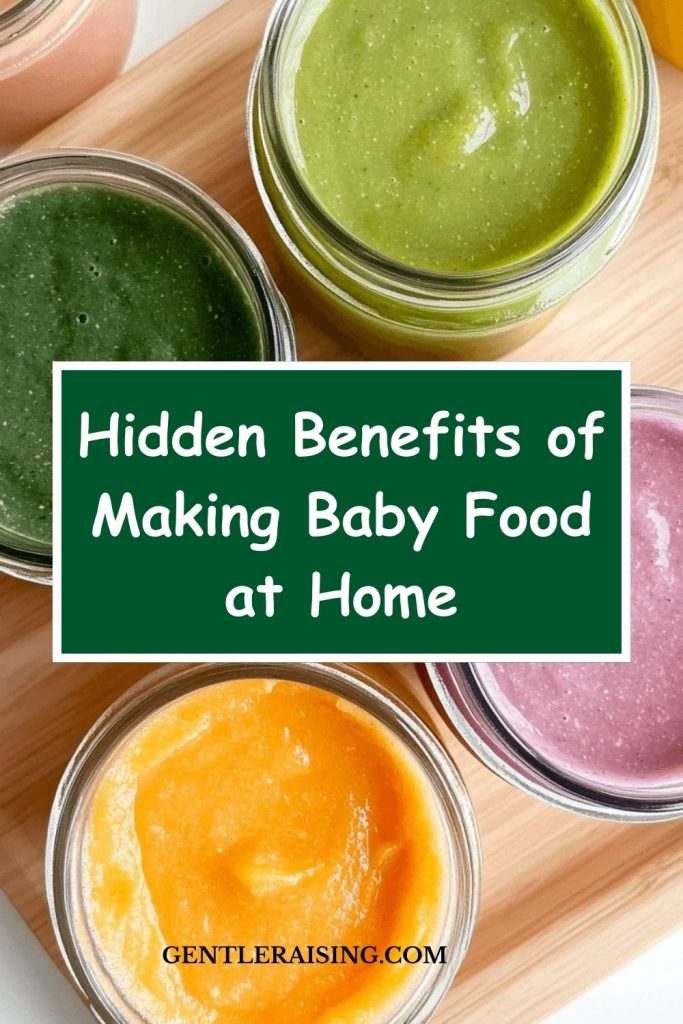
The moment solids become… a thing
There’s a very specific moment most parents remember. Your baby is sitting upright, sort of. There’s food on a spoon. Someone is filming. And suddenly, feeding stops being theoretical.
It’s no longer about milk and cuddles. Now it’s textures, timing, opinions, and that quiet voice in your head asking, Am I doing this right?
For many new mothers, fathers, and caregivers, the question of whether to make baby food at home shows up right around then. Not dramatically. More like a nudge. A thought you keep circling back to while scrolling labels in the baby food aisle or watching someone online blend sweet potatoes like it’s nothing.
Here’s the thing. Making your own baby food isn’t about being a “better” parent. It’s not a badge. And it’s definitely not an all-or-nothing lifestyle choice. It’s simply one option, one that happens to come with some very real benefits, both practical and emotional.
Let me explain.
Why this conversation still matters (even if no one says it out loud)
We live with more parenting advice than any generation before us. Blogs. Pediatric guidelines. Social media feeds are filled with smiling babies eating rainbow plates. It can feel like everyone else has figured it out.
But behind the scenes? Most parents are doing a quiet mix-and-match. Some homemade meals. Some store-bought pouches. Some nights, where dinner is toast and survival.
And that’s normal.
Talking honestly about homemade baby food matters because it’s often framed as extreme, either saintly or unnecessary. In reality, it sits somewhere comfortably in the middle. Useful. Flexible. Human.
So, before we get into the seven benefits, let’s clear one thing up.
Store-bought baby food isn’t “bad.” It’s convenient, regulated, and sometimes exactly what a family needs. Making your own food doesn’t replace it; it complements it. And for many families, it quietly makes feeding simpler over time.
Now, let’s talk about why.
1. You actually know what’s going into your baby’s body
This is the benefit most people mention first, and yes, it’s obvious, but it’s also deeper than it sounds.
When you make baby food at home, you don’t need to decode ingredient lists. There’s no small-print detective work. You put the carrot in the pot. You blend it. That’s it.
Commercial baby foods are tightly regulated, but many still contain things parents wouldn’t add themselves, extra fruit concentrates to sweeten vegetables, starches to thicken, or mild preservatives to extend shelf life. Not harmful, necessarily. Just… unnecessary for a baby who needs very little.
When you cook at home, food is what it looks like.
Apple is Apple. Lentils are lentils. You’re not guessing, and that alone brings peace of mind.
And honestly? That calm matters. Feeding already comes with enough second-guessing. Removing one layer of uncertainty helps parents breathe a little easier.
2. Better nutrition, in real-life terms (not textbook language)
Nutrition can sound intimidating, full of charts and percentages. But at its core, it’s simple.
Fresh food, prepared close to mealtime or frozen quickly, keeps more of its natural goodness. Vitamins like C and certain B vitamins degrade over time. That’s just biology.
Homemade baby food often starts with fresher ingredients and fewer processing steps. That’s not a marketing claim; it’s just how food works.
But there’s another nutrition side that doesn’t get talked about enough: texture and satisfaction.
Babies don’t just need nutrients. They need experience. Feeling food in their mouths. Learning how thicker purées behave differently from thinner ones. Discovering that not everything tastes sweet.
And no, babies don’t need bland food. That’s a myth that’s hung around far too long. Babies can enjoy gentle flavours, herbs, natural bitterness, and earthy tastes long before sugar ever enters the picture.
Homemade food allows for that range.
3. Babies learn real flavours early (and that can pay off later)
You know what’s fascinating? Babies are born open to flavour. They don’t come pre-programmed to reject vegetables. That resistance is learned over time.
When babies eat mostly commercial foods, they often encounter the same flavour profiles again and again. Smooth. Sweet. Predictable.
Homemade food changes that rhythm.
One day, squash tastes nutty. Another day, it’s a little earthy. Broccoli tastes different depending on the season. Apples vary. Lentils taste… well, like lentils.
This variety helps babies build a flexible palate. Not overnight. Not magically. But gradually.
There’s also something quietly powerful about feeding babies the foods your family actually eats. Rice. Beans. Stews. Soft flatbreads. Seasonal vegetables. Cultural dishes, adapted gently.
Food becomes familiar. Not a separate “baby category,” but part of family life.
That familiarity often makes toddler years a little less combative. Not perfect. Just less surprising.
4. Yes, it can save money (even when budgets are tight)
This benefit surprises many parents.
At first glance, homemade baby food seems expensive. Equipment. Ingredients. Storage containers. It adds up.
But over time? The math often flips.
A bag of sweet potatoes can make multiple meals. A cup of dry lentils stretches far. Seasonal produce costs less and freezes beautifully. Even small amounts of meat or fish, blended into vegetables, go a long way.
Store-bought baby foods, especially organic varieties, add up quickly. One pouch here. One jar there. It feels small until it isn’t.
Homemade food also reduces waste. You cook once, portion, freeze, and pull out exactly what you need. No half-used jars sitting in the fridge, quietly expiring.
For families watching expenses, this flexibility matters.
5. You control texture, and that matters more than people realise
Texture isn’t just about preference. It’s about development.
Babies move through stages—thin purées, thicker blends, mashed foods, soft lumps. That progression helps them learn how to chew, move food around their mouths, and swallow safely.
Store-bought foods tend to stay smooth longer, often for shelf-stability reasons. Homemade food adapts naturally as your baby grows.
You thicken gradually. You mash instead of blending. You notice when your baby is ready for more challenge.
And here’s a quick, calm note: gagging is normal. Choking is different. Homemade food doesn’t increase risk when prepared thoughtfully and offered at the right stage.
In fact, many parents feel more confident when they can adjust the texture themselves instead of guessing what’s inside a sealed pouch.
6. It builds confidence, for parents, not just babies
This benefit doesn’t show up on nutrition labels, but it’s real.
Making your own baby food can quietly shift how parents see themselves.
Instead of feeling like feeding is something outsourced to products and instructions, you become an active participant. You observe. You adjust. You trust your judgment.
That confidence spills over.
You worry a little less when meals aren’t perfect. You recover faster from messy days. You stop chasing imaginary standards and start responding to the child in front of you.
And honestly? That mental shift is worth more than any vitamin count.
7. It gently supports calmer family routines
This benefit sneaks up on people.
At first, homemade baby food feels like extra work. Another task. Another thing to manage.
But over time, it often simplifies routines.
Babies eat versions of what the family eats. Meals align. Shopping lists shorten. Cooking feels purposeful rather than fragmented.
Food becomes part of shared rhythms instead of a separate project.
And something is grounding about that. Sitting together. Eating similar foods. Letting babies watch, touch, and taste.
Connection grows quietly in those moments.
Common worries (and why they’re usually bigger in our heads)
“I don’t have time.”
Most parents don’t. That’s why batch cooking matters. One session a week can cover days.
“What about safety?”
Basic hygiene, proper storage, and age-appropriate textures go a long way. You don’t need specialised training.
“What if I mess it up?”
You will. And it will be fine. Babies are resilient. Feeding is forgiving.
Getting started without burning out
You don’t need a fancy blender. A basic one works. You don’t need dozens of recipes. Start with a few.
Good first foods include:
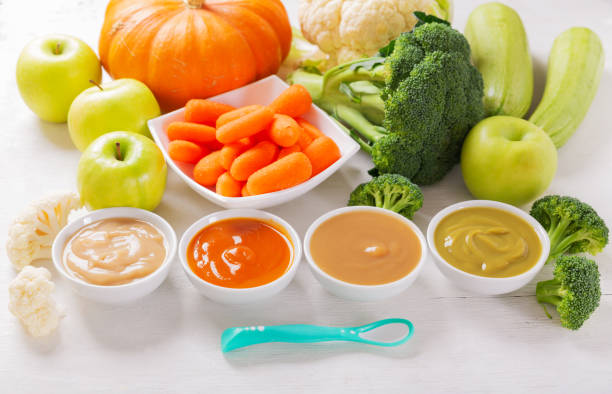
- Sweet potato
- Pumpkin
- Avocado
- Lentils
- Banana
- Soft vegetables
Steam. Blend. Freeze in small portions. Label if that helps your brain.
And remember, you’re allowed to mix homemade with store-bought. Flexibility is not failure.
A final, honest thought
Making your own baby food isn’t about control. It’s about connection.
It’s about slowing down just enough to notice what your baby enjoys, how they grow, and how capable you actually are, even on tired days.
Some weeks you’ll cook everything. Some weeks you won’t. Both are okay.
You’re feeding a child, not performing for an audience.
And that, more than anything, is what truly matters.