Being a new parent is thrilling, exhausting, and sometimes… downright puzzling. One moment you’re cooing at your little one, the next, they’re wriggling, grimacing, and letting out a cry that could shatter your soul. You check the diaper, adjust the swaddle, and still, nothing seems to calm them. Nine times out of ten, gas is the culprit.
Yes, baby gas is incredibly common. In fact, nearly all infants experience it, especially in the first few months of life. It’s not dangerous, but it sure can be stressful for both baby and parent. And let’s be honest, there’s nothing quite like watching your tiny human twist into a knot of discomfort while you feel helpless.
Here’s the thing: while gas can’t always be avoided, there are gentle, effective ways to ease it. With a little patience and some tried-and-true home remedies, you can help your baby find relief, and maybe even sneak in a peaceful nap for yourself. Let’s explore six effective home remedies to treat gas problems in babies.
1. Gentle Tummy Massage – Your Baby’s Mini Spa Session
You know what? There’s something almost magical about a simple tummy massage. Not only does it help move trapped gas along, but it’s also a way to bond, calm, and soothe your little one.
Babies’ digestive systems are still learning the ropes, so trapped air can create bloating and discomfort. Gentle massage stimulates the intestines and helps move gas along, much like a gentle wind clearing fog from a quiet morning road.
How to Do It
- Lay your baby on their back on a soft, flat surface, your bed or a blanket on the floor works well.
- Use your fingertips or the palm of your hand to make gentle, circular motions clockwise on their tummy. Why clockwise? That’s the direction your intestines naturally move.
- Keep pressure light; you want comfort, not a wrestling match.
- Optional: use a tiny dab of baby-safe oil, like almond or coconut, to help your hands glide.
The Emotional Angle
Here’s the part parents often overlook: this isn’t just about moving gas. It’s about connection. While your hands trace gentle circles, your baby feels warmth, safety, and love. Your calm voice or a soft hum can turn a gassy moment into a quiet bonding ritual.
Caution: Avoid massaging if your baby has a fever, rash, or abdominal tenderness. And always stop if your baby seems uncomfortable.
2. Bicycle Legs – Simple, Silly, but Effective
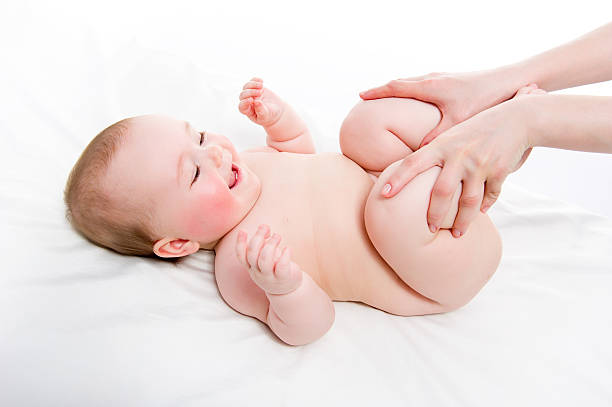
At first, moving your baby’s legs in a cycling motion may make you feel a little silly, like you’re starring in a baby workout video. But trust me, it works. Bicycle legs help release trapped air and stimulate digestion. Think of it as a gentle nudge for a tiny digestive engine.
How to Do It
- Lay your baby on their back.
- Hold their ankles gently and move their legs in a slow cycling motion, as if pedalling a bike.
- Repeat for a few minutes, watching their reactions carefully.
Why It Works
The movement mimics natural crawling or leg motion, pushing gas along the intestines. Many parents notice their babies often giggle, wriggle, or let out a sigh of relief during this exercise.
Tips to Enhance Comfort
- Make it playful: talk, sing, or tickle their tiny feet lightly.
- Ensure the room is warm and cosy; babies feel tension when cold.
- Use a soft blanket underneath for extra cushioning.
It’s a small effort with a surprisingly big payoff, plus, it’s a perfect excuse to make silly faces with your baby and steal a few giggles together.
3. Warm Compress or Bath – Heat to the Rescue
If you’ve ever had a cramp or stomach ache, you know the comfort of warmth. The same principle applies to babies: heat relaxes abdominal muscles, eases discomfort, and encourages trapped gas to move along.
Two Methods to Try
Warm Compress:
- Wrap a warm (not hot) water bottle or heat pack in a soft cloth.
- Place it gently on your baby’s tummy for 5–10 minutes.
- Make sure it’s not too hot, test with your inner wrist first.
Warm Bath:
- Fill a baby-safe bathtub or small sink with warm water.
- Place your baby in the water for 10–15 minutes, keeping them supported at all times.
- Gently move their legs and belly during the bath to help gas release.
Beyond Relief
Warm baths can also be a magical time to bond. Soft water sounds, your gentle voice, and the feeling of weightlessness create a relaxing environment. It’s a tiny oasis in a day that often feels chaotic.
Quick Tip:
Even a brief warm compress can work wonders if you’re short on time. Pair it with a gentle massage for a double effect.
4. Adjust Feeding Techniques – Tiny Tweaks, Big Difference
Sometimes, gas isn’t just about digestion; it’s about how your baby eats. Swallowed air is a major culprit, and small adjustments can prevent discomfort before it even starts.
Breastfeeding Tips
- Check the latch: An improper latch can lead to gulping air. Look for a wide mouth and lips flanged out, not tucked in.
- Burp during feeds: Pause halfway through to burp your baby; it reduces trapped air.
- Pace-feeding: Slow down fast feeders; try different positions to help regulate swallowing.
Bottle-Feeding Tips
- Anti-colic bottles: These reduce the amount of air your baby swallows.
- Right nipple size: Too large or too small can cause gulping or frustration.
- Angle matters: Keep the bottle tilted so the nipple stays full of milk, not air.
You know, sometimes it’s the tiniest tweaks that make the biggest difference, like adjusting the height of your office chair, but for your baby’s tummy.
Emotional Angle
Feeding is often one of the most intimate parts of parenting. Adjusting technique not only prevents gas but creates a calm, connected experience for both of you. Less fussing, more smiles, it’s a win-win.
5. Natural Herbal Remedies – Gentle, Tried-and-True Helpers
While parents often turn to over-the-counter medications, many babies respond wonderfully to gentle, natural remedies. Herbs have been used for centuries to calm digestive discomfort, but caution is key.
Safe Herbal Options
- Fennel: Can help relax the digestive tract and release trapped gas.
- Chamomile: Soothing, can calm the baby’s tummy and nerves.
- Ginger: Mild amounts can improve digestion; often used for moms in tea form while breastfeeding.
How to Use Them
- For Breastfeeding Moms: Drinking mild herbal teas may pass benefits to your baby through milk.
- Drops or Preparations: Some paediatrician-approved drops contain herbal extracts. Always check dosage and safety for infants.
Safety First
Never give herbs directly to infants without consulting a pediatrician. Even natural remedies can have unexpected effects in tiny tummies.
Herbs aren’t a miracle cure, but they complement other methods like massage, warm compresses, and feeding adjustments beautifully.
6. Probiotics and Gut Health – Supporting the Tiniest Digestive System
Your baby’s gut is developing rapidly, and gut flora plays a crucial role in digestion. Sometimes, gas is simply a sign that the digestive system is adjusting, and probiotics can help.
How Probiotics Help
- Improve gut bacteria balance
- Support digestion and nutrient absorption
- Potentially reduce gas and colic frequency
Sources
- Paediatrician-recommended infant probiotic drops
- Breastfeeding: probiotics from the mother’s diet may pass on benefits
- Formula-fed babies: Some formulas are fortified with probiotics
Tip for Parents
A happy gut often equals a happier baby, and maybe a few extra hours of sleep for you. It’s not an overnight fix, but consistent use alongside other remedies can make a noticeable difference.
Extra Tips & Quick Fixes – Small Tricks That Help Big Time
Sometimes, gas relief is all about positioning and small tweaks throughout the day. Here are a few quick fixes parents swear by:
- Burp Often: Every 2–3 ounces during bottle feeds, and halfway through breastfeeding.
- Upright After Feeding: Keep your baby upright for 15–20 minutes after meals to reduce swallowed air.
- Loose Diapers: Tight diapers can add pressure to a gassy tummy.
- Gentle Rocking: Rhythmic motion and soft humming can calm the digestive system.
- White Noise or Swaddling: Helps relax baby muscles, easing tension in the abdomen.
Honestly, a few minutes of these tiny efforts can make a huge difference, sometimes you’ll see relief almost immediately.
When to Call a Doctor – Trust Your Instincts
Most gas problems are harmless, but there are times when medical advice is necessary. Contact a pediatrician if your baby shows:
- Persistent, inconsolable crying that doesn’t improve with home remedies
- Fever, vomiting, or diarrhoea
- Blood in stool
- Severe bloating or a hard, distended belly
Trust your instincts. You know your baby best, and it’s always okay to reach out. Most gas issues are temporary, but vigilance ensures safety.
Conclusion – Patience, Love, and a Happy Tummy
Gas is one of those universal baby experiences: unavoidable, sometimes loud, occasionally heartbreaking, but ultimately temporary. A little patience, gentle techniques, and a few home remedies can go a long way.
- Massage, bicycle legs, warm compresses, feeding tweaks, herbs, probiotics. Each method supports your baby’s comfort differently.
- Combine them thoughtfully, and you’ll often see improvement within minutes to hours.
- Remember: these moments, as frustrating as they are, are also opportunities to bond. Your baby learns comfort from your touch, your voice, and your presence.
So next time your baby twists, squirms, or lets out that all-too-familiar cry, take a deep breath. You’ve got this. With these gentle, effective home remedies, a happy, comfortable baby and a more relaxed parent are just a few small steps away.