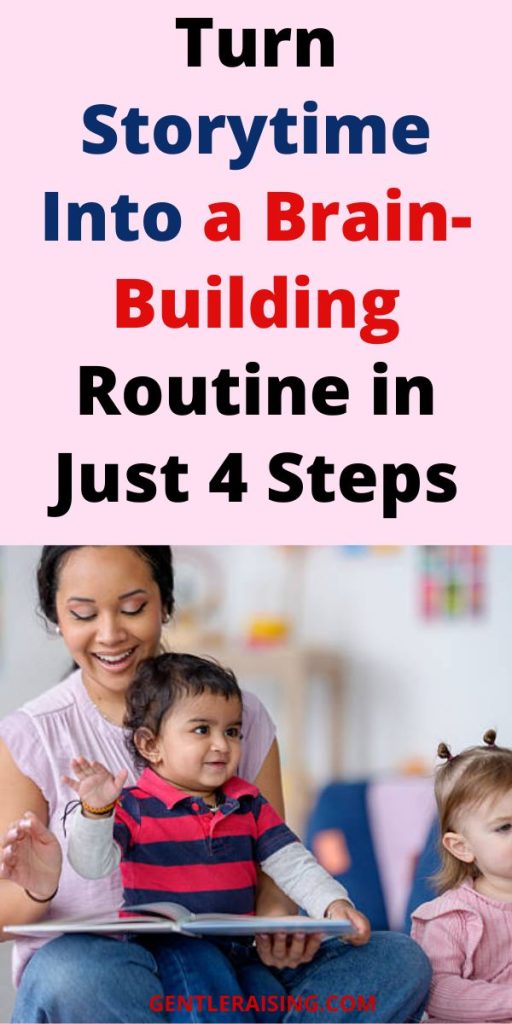
The Smallest Moments Are Doing the Heaviest Lifting
Storytime doesn’t usually look magical.
It looks like a tired parent, a half-chewed board book, and a toddler who insists on flipping back three pages because the dog picture is funny. Again. And again.
And yet, this ordinary, sometimes messy moment is quietly shaping your child’s brain in ways that are hard to see but deeply real.
If you’re a new parent, or even a seasoned one juggling siblings, work emails, and dinner that’s gone cold, you might wonder: Does this really matter? Especially when you’re reading the same book for the fourth night in a row and your toddler won’t stop interrupting.
Here’s the thing. Storytime isn’t about reading every word correctly or finishing the book. It’s about connection, rhythm, and repetition. And when those come together, the toddler brain responds fast.
Let me explain, without turning this into a lecture.
Why Storytime Grows the Toddler Brain (No Lab Coat Required)
A toddler’s brain is building connections at a staggering pace. Language centres, emotional processing, attention control, they’re all under construction, like a busy neighbourhood with roads still being paved.
Stories help organise that chaos.
When you read aloud, your child isn’t just hearing words. They’re learning how language flows. How sounds connect to meaning. How emotions show up in voices. How one idea leads to another.
And there’s something else that matters just as much: your presence.
Your voice. Your pauses. The way you respond when they point at a picture and shout, “DOG!”
Honestly, that back-and-forth is where the real growth happens.
There’s a lot of pressure right now around “early learning.” Apps, flashcards, and programs that promise advanced skills by age three. And sure, some tools can help. But storytime has a quiet advantage; it builds thinking skills and emotional security at the same time.
That combination? It sticks.
Step 1: Set the Scene (But Don’t Overthink It)
You don’t need a reading nook worthy of social media.
You need consistency.
Toddlers feel safer and learn better when they can predict what’s coming next. That’s why a simple routine around storytime works so well. Same couch. Same bed. Same general time of day.
It tells their brain, Oh, this again. I know this.
That sense of familiarity lowers stress and opens the door for learning.
Maybe storytime happens after a bath. Maybe it’s right before lights out. Maybe it’s a mid-afternoon reset when everyone’s a little frazzled. The exact timing doesn’t matter nearly as much as the rhythm.
And yes, sometimes the house is loud. Sometimes a sibling is climbing on you. Sometimes the baby monitor is crackling in the background. That’s real life.
Toddlers don’t need silence. They need you.
If you’re parenting across cultures or in a multilingual home, this step still holds. Storytime can happen in any language. Or several. The brain doesn’t mind, it’s flexible like that.
What matters is the shared moment.
Step 2: Read Like a Human, Not a Performer
This one surprises people.
You don’t need a “reading voice.” You don’t need to sound animated every second. You don’t need to finish every sentence.
Toddlers respond to natural rhythm more than perfection.
Read a little slower than you normally talk. Pause at the end of sentences. Let your voice rise and fall. Those pauses give your child’s brain time to process what it just heard.
And repetition? That’s not boring to them, it’s gold.
When your toddler asks for the same book again, their brain isn’t stuck. It’s practising. Each reread strengthens memory and prediction skills. They start to know what’s coming next, which feels satisfying and safe.
You might notice they “read” along with you, filling in words or phrases. That’s not cute filler behaviour, it’s active language building.
And if you mess up a word? Skip a page? Laugh and move on? That’s fine. Honestly, it’s better than fine. It models flexibility.
Toddlers don’t need flawless narration. They need engagement.
Step 3: Talk With the Book, Not Just Through It
Here’s where storytime shifts from passive listening to active thinking.
You don’t need to quiz your toddler. You don’t need complex questions. Just invite them into the story.
Point to a picture and say, “He looks sad, huh?”
Pause and wait, even if the answer is silence.
Name objects they recognise.
Let them interrupt.
Those interruptions? They’re processing out loud.
When you connect words to emotions, actions, and real-life experiences, you’re helping your child build meaning. That’s a core thinking skill they’ll use long after toddlerhood.
In bilingual households, this step is especially powerful. Switching languages naturally, repeating ideas in different words, it all adds layers. The brain adapts quickly when it feels supported, not tested.
And yes, sometimes your toddler just wants to talk about the picture on the back cover. Let it happen. You’re still building connections.
Step 4: Let the Story Spill Into Real Life
This is where things get interesting.
The real power of storytime often shows up after the book is closed.
Your toddler pretends to be the character later that day.
They reference a story when they’re upset.
They point out something familiar at the grocery store.
That’s memory at work.
You can gently extend this by making small connections. “Remember how the bear felt scared?” or “That’s like the dog in our book!”
These moments don’t need to be planned. They tend to happen naturally when stories are part of daily life.
And here’s a small contradiction that makes sense once you live it: you don’t need to read more books to get this effect. You need to read connected books. Familiar stories, familiar characters. The brain likes patterns.
What If Your Toddler Won’t Sit Still?
Let’s address the elephant in the room.
Many toddlers don’t sit. They wiggle. They climb. They wander off and come back.
That doesn’t mean storytime isn’t working.
Movement doesn’t cancel listening. In fact, some toddlers process language better while moving. Reading while they play nearby still counts.
You can read half a book. A few pages. One page. It’s okay.
Consistency beats duration every time.
How Often Is Enough?
You might expect a strict number here.
There isn’t one.
A few minutes most days is plenty. Some days you’ll read three books. Other days, none. Seasons shift. Schedules change. Energy dips.
What matters is the return. Coming back to storytime again and again, even after breaks.
Those tiny moments stack up.
Books That Tend to Work (And Why)
You don’t need a “perfect” library, but certain types of books tend to support toddler brains well:
- Board books with sturdy pages
- Stories with rhythm or repetition
- Simple illustrations with clear emotions
Authors like Sandra Boynton, Eric Carle, and Julia Donaldson come up often, not because they’re trendy, but because their writing follows patterns toddler brains love.
That said, if your child loves something unexpected, a catalogue, a homemade photo book, or a story in another language, that counts too.
A Final Thought for Tired Parents
Storytime isn’t a performance. It’s a relationship.
Some nights it feels sweet. Other nights it feels rushed. Both are normal. Both still matter.
You’re not behind. You’re not doing it wrong. You’re showing up, and your toddler’s brain notices.
And tomorrow, when they bring you that same book again, you’ll know why.