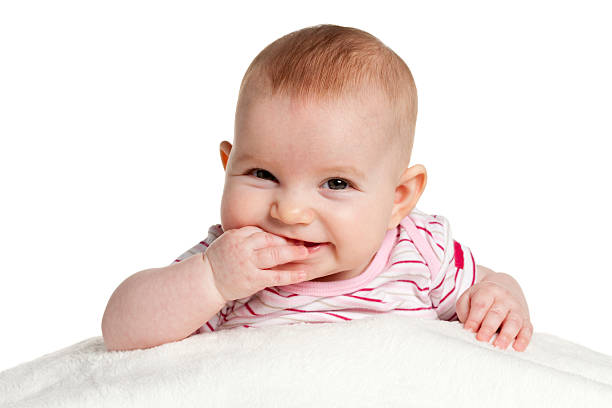
You’re cradling your tiny human, swaying gently, maybe humming a tune, and then bam! the crying hits. Your little one is gnawing on your finger like it’s a chew toy, cheeks flushed, and the drool is starting to form little puddles on your shoulder. Could it be… teething? At three months?
Honestly, yes. It happens. Early teething isn’t the most common thing, but it’s completely normal. And no, your baby isn’t “advanced” in some weird developmental way; it’s just genetics, timing, and a touch of parental bewilderment. If you’re new to this, the good news is that understanding what’s going on, how it affects your baby, and what you can do to soothe them can make these early teething months a little less chaotic.
So grab your favourite mug of lukewarm coffee (or tea), because we’re going to cover everything you need to know: signs, effects, and 6 practical, parent-approved soothing tips for your three-month-old teether.
When Do Babies Really Start Teething? (And Yes, It Can Be Early)
Most parents expect the first tooth to appear around six months. That’s the classic timeline. But you know what? Some babies are rebels. They pop their first teeth at three months, others at eight months, and some even later. It all comes down to genetics, so if you or your partner were early teethers, your baby might follow suit.
Let’s bust a quick myth: teething doesn’t always come with a full-on meltdown or fever. A lot of the time, babies might just be a little fussier, drool more, or chew on anything in reach. But yes, early teething can sometimes feel like a surprise ambush.
Anecdote for context: My cousin’s baby cut her first tooth at three months. I mean, three months! The whole family was shocked. But the paediatrician assured her it’s completely normal. The takeaway? Don’t panic. Early teethers aren’t rare; they’re just a little ahead of the curve.
Common Signs of Early Teething
So, how do you know if your three-month-old is teething, especially when fussiness can also mean hunger, tiredness, or even a growth spurt? There are subtle signs to watch for:
- Drooling… a lot of drooling.
You’ll notice damp clothes, bibs soaked through, and a baby who suddenly loves to slobber. The extra saliva isn’t just messy; it actually helps soothe the gums. - Chewing and gnawing.
Fingers, toys, blankets… if it fits in the mouth, it’s fair game. Chewing provides counter-pressure to that itchy, tender gum. - Fussiness and sleep disruption.
Nap times can become unpredictable. Your baby might wake up more often, cry for seemingly no reason, or be clingier than usual. - Swollen or sensitive gums.
You might notice a pink, puffy ridge where the tooth is about to erupt. Sometimes, you can even see the tiny white tip breaking through. - Slight temperature fluctuations.
Mildly elevated temperature is okay, but a true fever (over 100.4°F / 38°C) isn’t usually caused by teething alone.
Here’s the thing: every baby shows signs differently. Some drool buckets but remain surprisingly cheerful. Others fuss constantly but don’t drool much. Observing your baby closely is key, and keeping a little note of patterns can really help when talking with your paediatrician.
How Early Teething Affects Your Baby
You might be wondering, okay, so my baby is teething early, big deal, right? Well, it’s more than just cute little teeth popping through. Teething can affect your baby in several ways:
- Short-term discomfort. Cranky moments, disrupted naps, and a few extra tears are normal. You’ll notice your baby reaching for things to chew on more than usual.
- Feeding changes. Some babies might temporarily resist the breast or bottle because sucking can aggravate sore gums. Others latch more often, seeking comfort.
- Emotional impact on parents. Let’s be real: watching a tiny human in pain, even briefly, can make you feel helpless. But understanding that teething discomfort is temporary helps a lot.
- Long-term effects. Starting oral care early (even before teeth appear) sets the stage for healthy habits. And honestly, those first gnawing sessions can teach babies what’s safe to bite and what’s not.
Little tip: consider the season. A winter teether can create damp bibs and chilled noses, while a summer teether might dribble in the heat and sweat. Both are manageable, but awareness helps.
6 Soothing Tips for a 3-Month-Old Teething Baby
So, you know the signs and effects, but how do you actually help your little one? Here are six soothing strategies parents swear by:
1. Gentle Gum Massage
A clean finger, a soft touch, a few circular strokes, simple, but surprisingly effective. It gives the baby counter-pressure and a comforting sensation. And here’s the emotional bonus: your baby feels your touch, which is way more reassuring than any teething toy.
2. Teething Toys (Chilled, Not Frozen)
Cold teething toys can reduce gum inflammation, but full-on frozen toys can be too harsh. Silicone or BPA-free rubber toys work well. The texture and coolness give instant relief without risking frostbite on delicate gums. Sophie the Giraffe is a classic, but any safe, textured toy will do.
3. Cold Washcloth or Teething Ring
A damp washcloth chilled in the fridge for a few minutes is an inexpensive and effective tool. The softness, combined with the gentle cold, feels amazing on sore gums. Sometimes, babies even like to suck on the corners, bonus!
4. Comforting and Cuddling
You might think, “I need a teething solution!” But honestly, cuddling and holding your baby can do wonders. Your heartbeat, your voice, your warmth, those are soothing in a way no gadget can replicate. Sometimes, emotional comfort beats physical relief.
5. Breastfeeding or Bottle Feeds for Comfort
Feeding isn’t just about nutrition; it’s comfort too. Sucking can soothe irritated gums, especially when paired with your familiar scent and closeness. Just keep in mind that some babies might fuss mid-feed, so patience is key.
6. Safe Over-the-Counter Remedies
If fussiness is extreme, you can discuss with your paediatrician about acetaminophen (paracetamol) or infant pain-relief gels. Always follow medical advice; these are temporary fixes, not long-term solutions.
When to Worry: Red Flags and Pediatric Advice
Most teething symptoms are mild, but sometimes you need to call the paediatrician:
- High fever or persistent vomiting
- Diarrhoea or rashes that seem unrelated to drooling
- Extreme irritability that doesn’t improve with comfort
- Gums with unusual redness, bleeding, or swelling
Remember, a small diary of your baby’s symptoms is helpful. You’ll see patterns, and it makes discussions with your paediatrician easier. Plus, seeing progress, even tiny, can be reassuring.
Extra Tips and Real-Life Hacks Parents Swear By
Here are a few additional tricks parents use in the trenches:
- Pacifiers or chilled fruit feeders (for older babies): Chewing while nursing, independent exploration.
- Textured cloths or soft toys: Some babies love different textures more than smooth rubber.
- Babywearing: Holding your baby upright in a carrier can calm crankiness, soothe gums, and free up your hands.
- Humour helps: You’ll laugh when your baby discovers their toes, or your finger, as chew toys. It’s messy, sure, but also adorable.
And here’s a little secret: some babies sail through early teething with barely a whimper. The key is observation and experimentation; every baby is unique.
Conclusion: Celebrating Those Tiny Teeth
Teething is tough, no sugarcoating it. But it’s temporary, and with your love, patience, and a few clever tricks, you can make it more manageable.
Remember: the signs, effects, and 6 soothing tips are your toolkit. Use them, tweak them, and see what works for your little one. And when that first pearly white peeks through, oh, the joy! The smiles, the photos, the tiny triumphs, you’ll forget most of the sleepless nights.
So breathe, hold tight, and know this: you and your baby are doing just fine. Those three-month teeth are just the beginning of many milestones to come, and trust me, every tiny chomp is worth it.
Quick FAQ for Extra Comfort
Q: Do all babies drool this much?
A: Not necessarily. Some drool buckets; some barely a spit. It depends on the baby’s saliva production and temperament.
Q: Can teething cause sleep regression?
A: Sometimes. Sore gums can wake babies, but it’s usually temporary. Consistent bedtime routines help.
Q: When should I start brushing my baby’s teeth?
A: As soon as the first tooth appears, use a soft baby toothbrush and a smear of fluoride toothpaste.
Q: Are frozen teething toys safe?
A: Only slightly chilled toys are recommended. Full-on frozen toys can damage delicate gums.
