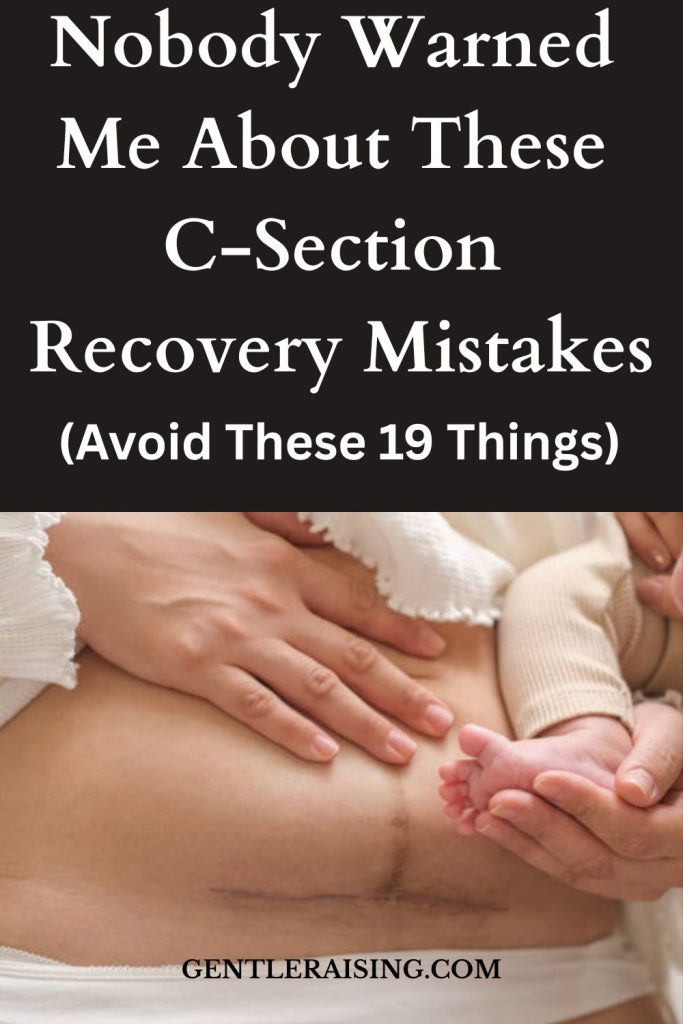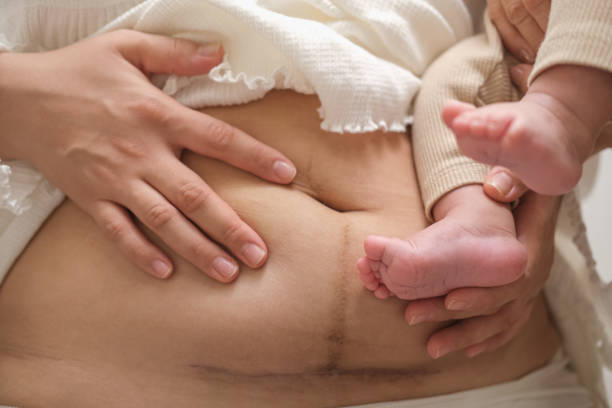
A C-section is not “the easy way out.”
Anyone who’s lived through one knows that line stings a little.
It’s major abdominal surgery layered on top of childbirth, hormones, sleep deprivation, and the sudden responsibility of keeping a tiny human alive. And yet, many new mothers are expected to bounce back as if nothing dramatic just happened.
Here’s the thing: recovery after a C-section isn’t about being tough. It’s about being smart. Healing well now can save months, or even years, of discomfort later.
So let’s talk honestly about the 19 things a C-section mom really needs to avoid, not from a place of fear, but from a place of care.
For mothers, yes, but also for fathers and partners who want to support without guessing.
First, a Small but Important Clarification
When we say “avoid,” we don’t mean forever.
We mean avoid during the fragile healing window, especially the first 6–8 weeks. Some things return gradually. Others change permanently. That’s normal. Bodies adapt.
Alright. Let’s get into it.
1. Avoid Lifting Anything Heavier Than Your Baby
You’ve probably heard this one already, but it’s repeated for a reason.
Your abdominal muscles were cut and stitched back together. Lifting a toddler, a laundry basket, or that bulky water jug can strain internal sutures long before you feel pain.
And here’s the tricky part:
Damage doesn’t always hurt right away.
If it feels awkward, tight, or “off,” that’s your cue. Ask for help. Or leave it for later.
2. Avoid Pretending You’re Fine (When You’re Not)
Honestly, this might be the hardest one.
New moms, especially C-section moms, often feel pressure to appear strong. You may say “I’m okay” when standing hurts, laughing pulls, or exhaustion hits your bones.
But pushing through pain doesn’t earn points. It delays healing.
Let yourself say:
- “I need help.”
- “I’m sore.”
- “I can’t do that yet.”
That’s not a weakness. That’s recovery literacy.
3. Avoid Skipping Pain Medication Out of Guilt
Some mothers stop pain meds early because they feel guilty, worried, or pressured to “handle it naturally.”
Pain control isn’t indulgent. It allows you to:
- Move gently
- Breathe deeply
- Sleep better
- Care for your baby safely
Unmanaged pain leads to shallow breathing, poor posture, and delayed mobility, all of which slow healing.
Follow your provider’s guidance. Not internet bravado.
4. Avoid Driving Too Soon
Driving uses your core more than you realise, turning, braking suddenly, and twisting to check mirrors.
Most doctors recommend waiting at least 2 weeks, sometimes longer. And insurance coverage can even be affected if you drive against medical advice.
If you feel pulling, hesitation, or delayed reaction time, that’s your answer.
5. Avoid Ignoring Your Incision (Or Obsessing Over It)
This sounds contradictory, but stay with me.
Avoid:
- Never looking at your incision
- Or checking it ten times a day in panic
You want calm awareness. Check daily for redness, heat, oozing, or unusual odour. Keep it clean and dry, no harsh soaps. No scrubbing.
But also, don’t hover. Healing needs oxygen and peace.
6. Avoid Tight Waistbands and Rigid Clothing
That high-waisted shapewear might promise support, but tight compression too early can:
- Irritate the incision
- Restrict circulation
- Increase swelling
Loose cotton underwear. Soft waistbands. Dresses or maternity leggings with gentle stretch.
Comfort first. Style can wait.
7. Avoid Comparing Your Recovery to Anyone Else’s
Your friend walked a mile in two weeks.
Your cousin was cooking full meals by day ten.
Someone online ran a marathon at six weeks.
You are not them.
Recovery depends on:
- Surgical complexity
- Infection risk
- Prior abdominal surgeries
- Support at home
- Sleep (or lack of it)
Comparison steals patience. And patience is part of healing.
8. Avoid Neglecting Gentle Movement
Yes, rest matters. But total stillness can cause stiffness, clots, and slower recovery.
Avoid lying down all day.
Short walks around the house. Standing upright. Gentle stretching approved by your provider. Think circulation, not exercise.
This is one of those moments where less effort, done consistently, works better than heroic bursts.
9. Avoid Holding Your Breath When You Move
It sounds small, but it matters.
Many women tense up, holding their breath when standing, sitting, or laughing. That increases abdominal pressure and pain.
Exhale as you move.
Slow down transitions.
Use your arms to assist.
Breathing is part of core recovery. Nobody tells you that enough.
10. Avoid Constipation at All Costs
Let’s be blunt: straining after a C-section is miserable.
Pain meds, dehydration, and limited movement slow digestion. Straining puts pressure directly on your incision.
Helpful habits:
- Drink water like it’s your job
- Eat fibre-rich foods (oats, fruit, lentils)
- Accept stool softeners if prescribed
This is not the time to “power through” discomfort.
11. Avoid Having Sex Before Your Body Is Ready
This isn’t just about desire. It’s about healing.
Even if bleeding has stopped and energy returns, internal tissues are still repairing. Early sex can cause pain, infection, or emotional distress.
Most providers recommend waiting at least six weeks, sometimes longer.
Intimacy can return slowly. Touch, closeness, conversation, those count too.
12. Avoid Doing All the Baby Care Alone
This one often sneaks in quietly.
You might feel like you should handle night feeds, diaper changes, soothing, and household tasks because “you’re home anyway.”
But recovery doesn’t happen in isolation.
Let partners:
- Lift the baby when possible
- Handle bath time
- Manage meals or errands
Healing is a team effort. Parenting works better that way, too.
13. Avoid Dismissing Emotional Swings as “Just Hormones”
Hormones are powerful, yes. But persistent sadness, anxiety, or numbness deserve attention.
C-section moms may experience:
- Birth disappointment
- Loss of control
- Trauma from emergency surgery
These feelings don’t cancel your love for your baby. They coexist.
If emotions feel heavy or unmanageable, talk to someone, a provider, a counsellor, or a trusted person. Early support makes a difference.
14. Avoid Sleeping Flat Without Support (If It Hurts)
Getting out of bed can feel like climbing a hill with a sore core.
If lying flat makes rising painful:
- Use pillows to elevate your torso
- Roll onto your side before sitting up
- Keep movements slow and planned
Sleep should restore you, not drain you.
15. Avoid Rushing Back to Exercise Routines
Six weeks is often treated like a finish line. It’s not.
Your body may be cleared for movement, not intense workouts. Crunches, planks, or high-impact routines too soon can worsen abdominal separation and pelvic floor strain.
Start small. Walking. Gentle core reconnection. Physical therapy if available.
Strength returns with time, not force.
16. Avoid Ignoring Signs of Infection
Call your provider if you notice:
- Fever
- Increasing redness or swelling
- Foul-smelling discharge
- Sharp or worsening pain
Waiting it out doesn’t make infections disappear. Early treatment keeps small issues small.
Trust your instincts. You know your body better than anyone.
17. Avoid Poor Posture During Feeding
Hours of hunching over a newborn can strain your back and neck.
Bring the baby to you, not the other way around. Use pillows. Support your arms. Sit upright when possible.
Your spine and core are healing, too. They deserve some respect.
18. Avoid Carrying Emotional Guilt About Your Birth
This one matters more than people admit.
Some mothers carry quiet guilt:
- For needing surgery
- For not laboring “long enough”
- For missing parts of the birth experience
But your baby arrived safely.
Your body did what was required.
That is not failure.
Release the guilt. It doesn’t belong to you.
19. Avoid Forgetting That Healing Is Not Linear
Some days you’ll feel strong. Other days, sore and frustrated.
That doesn’t mean you’re going backwards.
Recovery zigzags. Progress hides. Rest days matter as much as active ones.
You’re not broken. You’re healing.
A Note for Partners and Family
If you love a C-section mom, here’s what helps:
- Believe her pain
- Offer help without waiting to be asked
- Protect her rest
- Remind her she’s doing well, even when she doubts it
Support speeds healing more than advice ever will.
Closing Thoughts (The Kind You Reread at 2 a.m.)
A C-section leaves a scar, yes, but also strength you didn’t know you had.
Avoiding these 19 things isn’t about fear. It’s about giving your body the respect it deserves after something big.
Healing takes time.
Parenting takes patience.
Both are learned, not mastered.
And if today feels hard, tomorrow might be gentler.